
Yesterday, I was at a New Balance factory outlet buying some new sneakers. I’ve always liked New Balance shoes. They fit. Their shoes are made in the USA. When we lived in Boston, we often passed by their corporate headquarters that was near the headquarters for the flagship public radio and television stations, WGBH. So when I needed some new sneakers, it was off to the New Balance factory outlet near our home.
Nice people work there. Attentive, knowledgable. And I walked out of the store with two pairs of sneakers. While browsing around, I noticed a display of t-shirts with slogans on them. Here are two of them:


Motivational slogans. You see these all the time. They are very big in the corporate world. How many times have you been in an office and seen one of these posters:
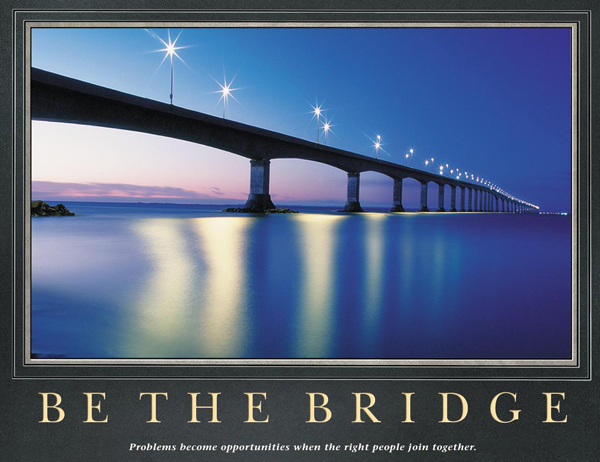
Motivational posters by Successories.com
They have also provoked a backlash, the cynical DE-motivational poster:
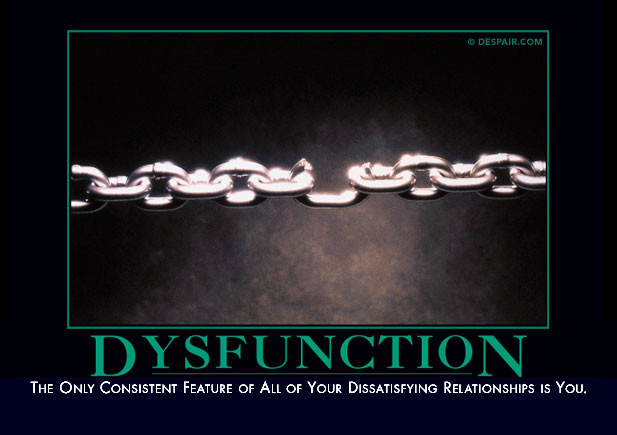
Demotivational posters by Despair.com
One of the big threads of conversation in the teaching world is how to motivate students. Anyone who has been a teacher of any subject knows that a classroom is full of students who have different goals, different energy and skill levels, and who approach tasks differently. Teachers try many things to help students want to learn. Countless books have been written on the subject.
For over 20 years of my career in the Boston Symphony Orchestra, I sat next to Norman Bolter. Norman played second trombone in the BSO and principal trombone in the Boston Pops Orchestra. We are nearly the same age – he’s my big brother by four months – and we were and remain good friends even since we have both retired from the orchestra. We both taught together at New England Conservatory of Music and we spent a lot of time talking about teaching, our students and trombone pedagogy. One day, we were talking about some of our students who just didn’t seem to be making progress. I commented that one of my students was very talented but he seemed lazy and wasn’t working to his potential. To which Norman said:
“Doug, I can give my students a lot of things. But I can’t give them desire.”
BINGO. I cannot motivate my students. I cannot make them want to work hard, want to be curious, want to explore, want to go the extra mile, want to understand what is needed to succeed, want to be great at what they do. Those things need to come from the inside, not the outside. But I CAN lead by example, be honest, share all I know, offer strategies for improvement. These are two different things. If a student doesn’t have the desire, the motivation to work, then someone else can’t give it to them. A pretty poster won’t give it to them either.
Norman was – and is – right. You can’t give someone else desire. The fuel to get better, the fuel to become great at something, the fuel to make a difference has to come from within. For me, that fuel has fed and feeds my engine in two ways:
- When I was a student at Wheaton College, the great trumpet player Maurice André gave a concert on campus with a small chamber orchestra. My teacher, Edward Kleinhammer, also came to the concert and the next day I had a lesson with him. I burst into his studio in the Fine Arts Building in Chicago and began babbling away, “Wow, wasn’t Andre amazing?! I’ve never heard anything like that!”Blah, blah, blah. After my superlatives were spent, Mr. Kleinhammer looked at me and said, quietly, “André. Yes, he was really good. But, look. Did you see that bass player? He made a concerto out of every note.” I missed it. I was focused on one thing – the great trumpet soloist. But I missed the bass player who was doing his job excellently in support of the great soloist. I learned at that moment that I needed to pay attention. Pay attention to things – even and especially little things – so I did not miss something that I could take and make my own. Paying attention gave me fuel for my engine as I internalized my observations of others who were demonstrating excellence in their field, whether music, art, business, or even the act of being a knowledgeable shoe salesman.
- I am very aware that my talents and abilities are a gift from God; I cannot take credit for them. As a result, I have a responsibility to be a good steward of those gifts, to use them well and wisely. So my desire to improve on the trombone, or write an article that gives people something to think about, or share what I have been given with others, comes from my understanding that everything I have is a gift from God and I have a responsibility to use it wisely. The Parable of the Talents is fuel for my engine, a daily reminder of how I return to God the investment I make with that which he has given to me.
The New Balance t-shirt slogans are cute. I smiled when I saw them. But I wasn’t fooled. They didn’t make me want to go home and practice. Something else fueled that within me. Something much bigger.

 The Last Trombone – Douglas Yeo