Author: Douglas Yeo

When classical music meets sports

When classical music meets sports

Last night’s American football AFC Championship game between the Jacksonville Jaguars and the New England Patriots was full of high drama. Full disclosure: I lived in Boston for nearly 30 years and attended more Patriots games than I can count. Before their astounding period of success began in 2001, I went to plenty of games when the team was, frankly, terrible. Today, the Patriots are heading to another Super Bowl. Their eighth since 2002. This is remarkable. My wife and I now live in Arizona, and we hold season tickets to Arizona Cardinals football. We love the Cardinals. But we still love the Patriots. There you have it.

I’ve written about the Patriots before on The Last Trombone, particularly about quarterback Tom Brady and how he was the 199th pick in the 2000 NFL draft. Brady has used that fact – that teams passed him over repeatedly until the Patriots drafted him in the sixth round – to fuel his engine of excellence. The result: he has gone on to be what most football observers consider to be the greatest football player of all time – the G.O.A. T.

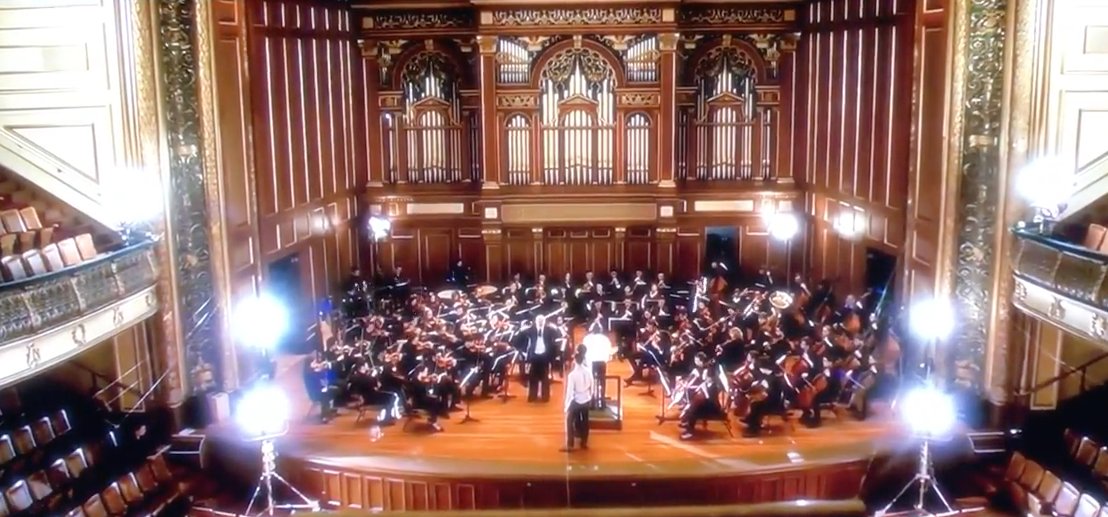
We spent yesterday afternoon with some friends who had invited us to their home to watch the AFC and NFC Championship games. When I watch TV, I rarely watch commercials. And I’m not particularly interested in pre-game commentary from talking heads. I like to watch the game. So when, before the game started, there was a segment with an actor I had never seen before, I didn’t pay much attention. Until I realized the piece was filmed in Jordan Hall at New England Conservatory of Music. STOP. Rewind the DVR. I taught at New England Conservatory for 27 years. I played countless concerts and recitals in Jordan Hall. What is this?

“This” was a “teaser” for the game featuring actor John Malkovich. It is long by television standards, three and one-half minutes long. Have a look (if you can’t see the video below, click HERE to see it on YouTube):

The story about how this video came about is terrific. Recorded just a few days before yesterday’s game, students at NEC were featured in this short film. You can read how this all came together in a story in Sports Illustrated by Richard Deitsch. Click HERE to read his story.

I think the video is brilliant. It takes a little time to get going but it’s very, very clever. And bravo to the NEC students who were a part of it. I’m sure it was a thrill for them. Seeing this teaser for the game on TV reminded me of the thrill I had playing the National Anthem at Super Bowl XXXVI in 2002 as a member of the Boston Pops Orchestra, something I wrote about on my website, in my article: The New England Patriots and the Boston Pops: A Super Bowl XXXVI Diary (click here to read it). Because of that experience – and many more like it where I played the National Anthem before sporting events as a member of the Boston Symphony Orchestra – I wanted to bring that opportunity to my students at Arizona State University. On two occasions, we played the Star Spangled Banner at an Arizona Diamondbacks baseball game. To see my students on the big stage and catch their excitement and sense of wonder as it unfolded was one of the most satisfying things I did during my years as ASU’s Professor of Trombone. Have a look at this video (below) of their performance at Chase Field in Phoenix in 2014 (if you can’t see the video below, click HERE to see it on YouTube):

Sports and music. Sometimes they come together in a way that adds something to our joy of living, and when I see students benefitting from this, as the students at New England Conservatory of Music did when they were part of an exciting football game yesterday, I smile and remember the thrills I’ve had doing the same kind of thing. It’s amazing where life can lead when you have a trombone – or any musical instrument – in your hand.
 

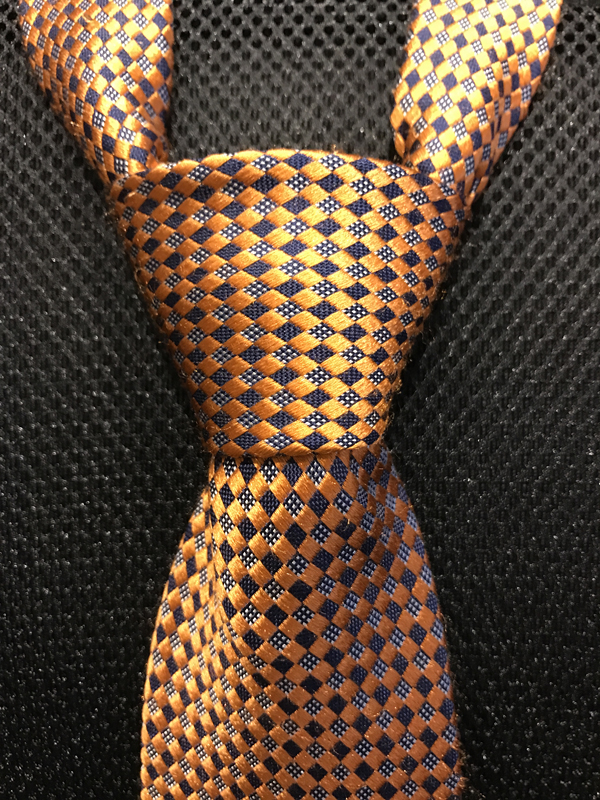
Legacy: a full Windsor knot

Legacy: a full Windsor knot

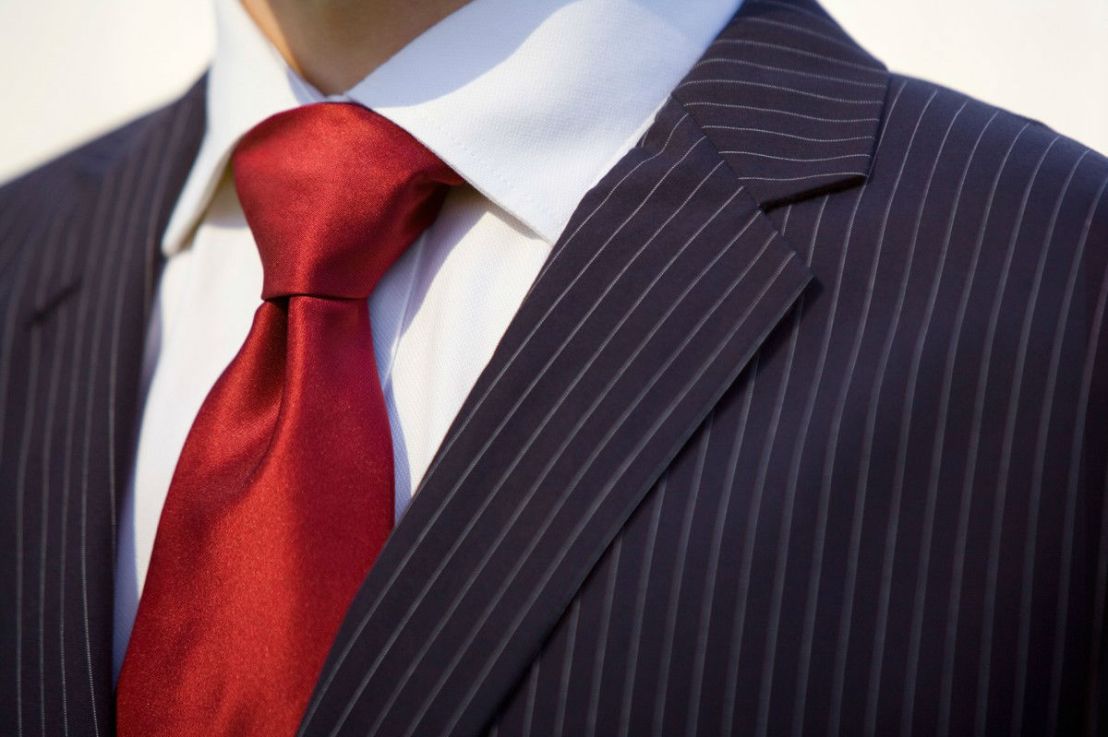
Last Sunday, before the morning worship service started at our church (Phoenix United Reformed Church), my wife came to me with a necktie in her hand. “Would you please tie this for Lloyd?” Lloyd is a good friend, a retired pastor, and in this season of his life — in his 80s — some tasks have become more difficult for him. “Sure,” I said. I put his tie around my neck, tied it, then slide it over my head to give to Lloyd. It took me about 10 seconds and I didn’t give it a second thought. It was a simple thing to do to help a friend.

But that afternoon, I reflected on the very ordinary act of tying a necktie. Frankly, it’s not something I do much these days. Since moving to Arizona in 2012, I’ve switched from neckties to bolos. While I still have many ties — here’s a photo of just a few that I still have in my closet. . .

Yeo_ties

. . . bolos now hang on my tie rack:

Yeo_bolos

It’s a southwest thing, and bolos appeal to my artistic sensibility.

Still, when I tied Lloyd’s necktie, I used the only necktie knot I know how to tie: the full Windsor knot. My mind turned to my father. It was he who taught me how to make this knot when I wore a tie. And every time I tie a tie, I am grateful that he taught me how to do this.

In a sense, part of my father’s legacy to me is having passed down this simple thing, the act of tying a necktie in a particular way. He gave me other gifts as well, such as a love for reading. My mind continued down that road, reflecting on the legacy that many other family members who have also gone to their heavenly home gave to me. My mother’s love of music, my grandmother’s love of adventure, my father-in-law’s love of working with his hands. All of these people and many others had lives that intersected with mine in ways large and small. And each of us is the product of the investment that others made in us. They gave me things that are with me every day. Not physical things, but things that required their investing time with me, to show me how to do something, or how to think of something, or how to recall and remember something and then put it into action.

Tying a necktie is not really such a big deal. But last Sunday morning, it reminded me how grateful I am for those who taught me things like this, and it was an encouragement to me as I have endeavored to pass things on to others. It reminded me of this: never underestimate the value of any kind of investment you make in another person. They may very well remember it long after you’ve forgotten it, long after you are gone. You may not have thought so at the time, but you made a difference; you wrote a small piece of your legacy. Like my father did when he taught his son how to tie a full Windsor knot so I could help a friend on a Sunday morning.

Yeo_windsor_knot

The road to success

The road to success

by Douglas Yeo

The new year is upon us, 2018. Resolutions have been made and probably broken already. Such is our human condition: lots of good intentions but difficulty in being disciplined enough to follow through with them.

Most people I know want to be successful, and my son-in-law, John Freeman, recently shared an old cartoon with me titled “The Road to Success.” It dates from 1913, and I thought it was so interesting that I sought out an original copy. The Etude magazine, a long time publication of the Theodore Presser Company, printed it in its October 1913 issue.  Presser modified a cartoon put out by National Cash Register company that was about the road to business success – you can view the original by clicking HERE – and Presser’s creative changes that point to the road to musical success are really quite clever. Here is Presser’s version of the cartoon. To download a high-resolution copy from my website, click HERE.

The_Road_To_Success_19134_The_Etude

If you follow the road to success, you see there are many pitfalls along the way. You need to keep your eyes open. Many people rush over the threshold of Opportunity but fall into the dark holes of Illiteracy or Conceit. Hotel Know It All has many rooms. So does the Mutual Admiration Society, from which the balloon Hot Air floats. And the Always Right Club has plenty of members. Vices lead immediately to the river of Failure; the same is true for The Faker. Bad Habits lead quickly to Oblivion – as does a Bad Reputation. Jealousy and the desire to Do It Tomorrow are portrayed as spiders with webs that trap many.  Weak morals appear to be an elevator to the top of the mountain but actually send you down a chute right back to the beginning. Have a look at this view of “The Road to Success.” Over one hundred years after it first appeared, it is still fresh.

This was a theme of my trombone teacher, Edward Kleinhammer, who played bass trombone in the Chicago Symphony Orchestra from 1940-1985. In his introduction to the book we wrote together, Mastering the Trombone (Ithaca: Ensemble Publications, 2000, fourth edition, 2012, p. 9), he wrote:

World class players do not just happen — their talents are forged in the dual furnaces of determination and diligence.

In this, Mr. Kleinhammer was mirroring a theme that comes from a memorable passage in the Bible, where the writer turns to one of the smallest animals as a model for discipline and hard work (Proverbs 6:6-11):

Go to the ant, O sluggard; consider her ways and be wise.

Without having any chief, officer or ruler,

She prepares her bread in summer and gathers her food in harvest.

How long will you lie there, O sluggard? When will you arise from your sleep?

A little sleep, a little slumber, a little folding of the hands to rest,

And poverty will come upon you like a robber, and want like an armed man.

The desire for shortcuts is always with us. A few weeks ago, I was at Dordt College in Sioux Center, Iowa, where I gave a trombone masterclass and performed a concerto with the Northwest Iowa Symphony Orchestra. As I was walking around the college’s music building, I spotted this cartoon on a bulletin board. It made me laugh, and shake my head. You’ll probably laugh, too, and then sadly recall the many friends, colleagues, students, and others – including ourselves! – who want to find the quick fix to avoid the hard work required to succeed. “The Road to Success” reminds us that there are no shortcuts. That’s a New Year’s resolution worth keeping.

I'm Awesome

Christmas in Bethlehem—and at home

Christmas in Bethlehem—and at home

by Douglas Yeo (December 24, 2017)

Today is December 24 – Christmas Eve – and it is already Christmas day in parts of the world.

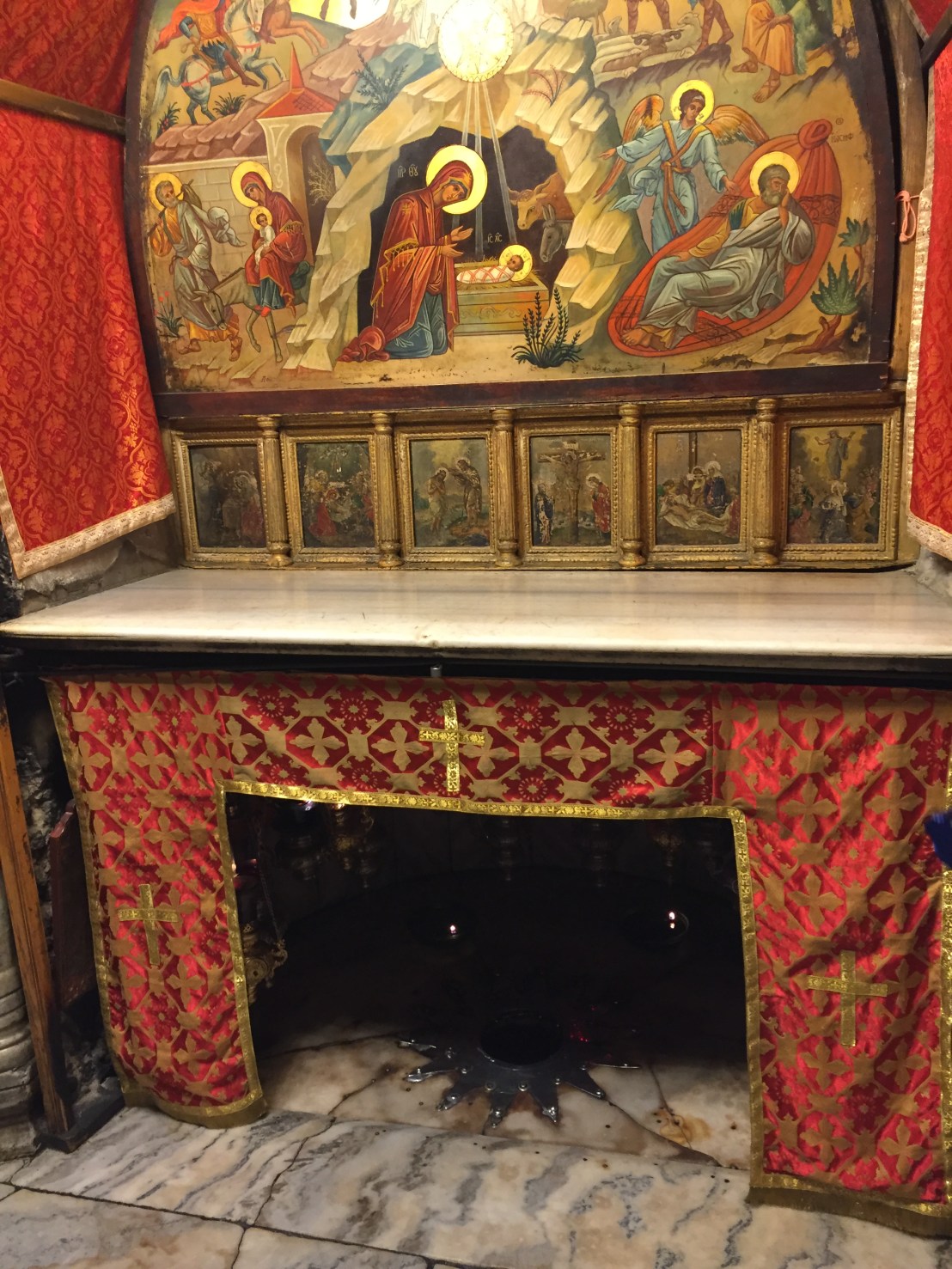
Last year, my wife and I traveled to Israel, and among the many places we visited was the Church of the Nativity in Bethlehem. This church is built over the traditional site of the birth of Jesus Christ. Of course we cannot know for sure if this is the exact location of His birth, but as I have told many people, that is not important to me, or to most who come to this place. We were in the neighborhood of this world-changing event, and we were able to take in the mystery of the Incarnation in a concrete way, and share in the devotion of millions of pilgrims who have come to this place over the centuries.

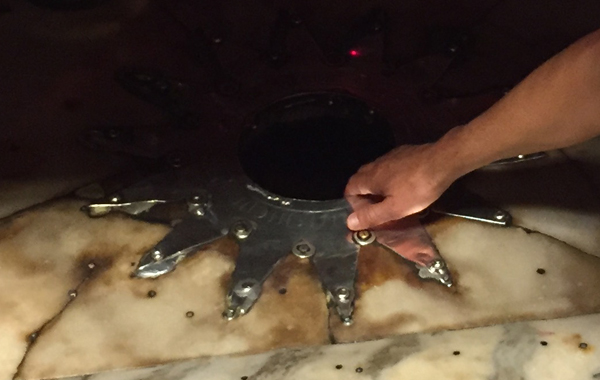
Here is the traditional site of the birth of Christ, beneath the floor under the altar in the grotto of the Church of the Nativity. Many years ago, people began chipping off pieces of the floor so a marble floor was laid with a hole surrounded by a silver star where you  can put your hand to touch the original ground.

051_Bethlehem_Church_of_Nativity

Doug_hand_Bethlehem_Church_of_Nativity_Doug

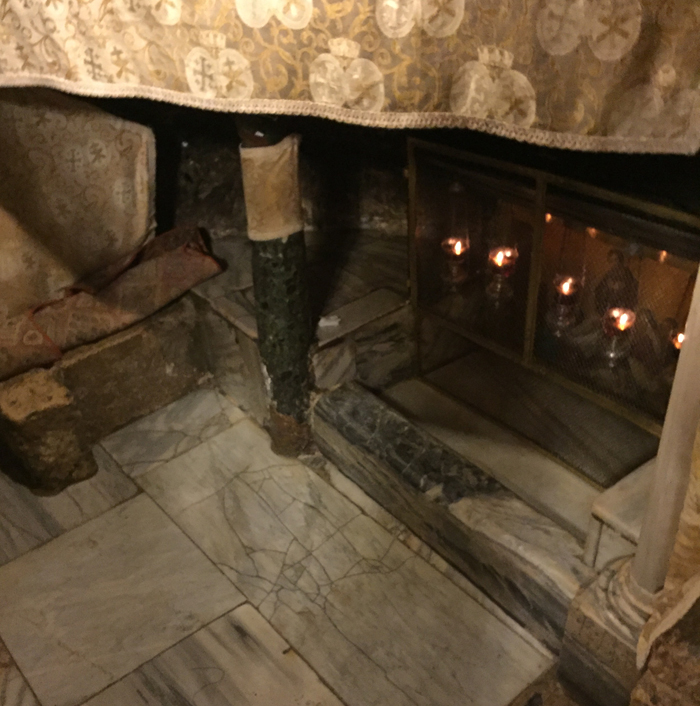
Across the room from this spot is the traditional location of the cattle manger where Jesus was laid after birth. Again, we cannot be sure this was THE spot, but the coldness of the stone reminded me that Jesus’ birth was not in a modern hospital with today’s clean and comfortable conveniences. His birth was humble in the extreme.

Bethlehem_Church_of_Nativity_manger

In the courtyard of the church, we saw a sign in two languages – we’ve seen them around the world in England, Greece, throughout the United States, and several places in Israel – that reminded us once again of the truth of  what happened on that night so long ago.

Verse_Church_Nativity

We also visited the traditional Bethlehem shepherd’s fields, and a cave that was used by shepherds. We used our imagination to picture the sight of the angel announcing Jesus’ birth:

Fear not! For behold, I bring you good news of great joy that will be for all people. For unto you is born this day in the city of David, a Savior, who is Christ the Lord. (Luke 2:10-22)

Here is a painting of the announcement of the angels that is in the Chapel of the Shepherd’s Fields in Bethlehem:

Bethlehem_Chapel_of_Shepherds_Fields

In our home, we have a nativity set that was given to us in 1978 by my grandmother. We’ve always displayed it around this time of year and in our home here in Arizona, it sits on the mantle above our fireplace (yes, even in Arizona, a fireplace is welcome in the winter, although I confess that instead of hauling firewood for our wood stove like I did in Massachusetts for so many years, I am very grateful that this natural gas fireplace is operated by a remote control in my hand).

Yeo_hearth

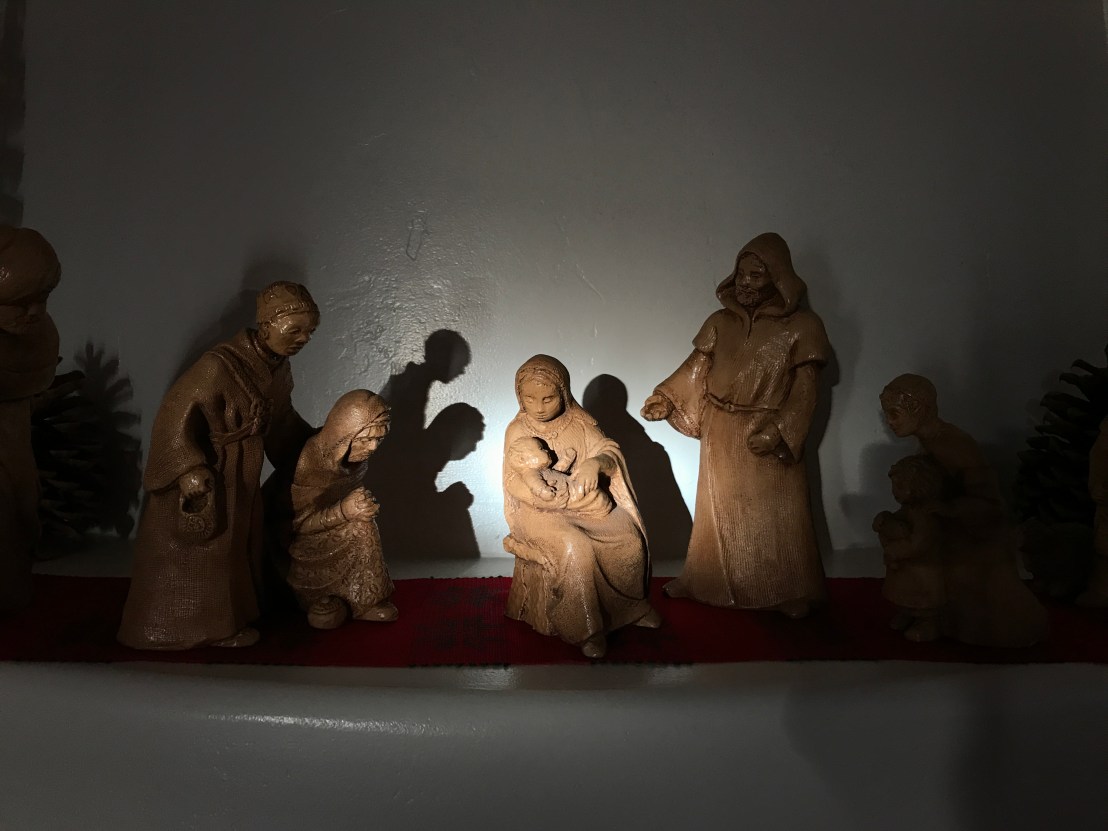
When we moved here in 2012, we noticed something quite startling: on Christmas Day, the sun shines through a small glass block window over our front door and at exactly 8:30 am, it comes to rest on the central figures of Mary and Jesus. We didn’t plan this; it just happened.

Nativity_light_Yeo

It is a remarkable little thing, with this happening every year at the same time. The light on Mary and Jesus reminds us of the important truth of the Incarnation of Jesus Christ:

Then Jesus spoke to them, saying, “I am the light of the world. Whoever follows me will not walk in darkness, but will have the light of life.” (John 8:12)

The light of life. Everlasting light. Yes, we have fun with Santa Claus and Jingle Bells and all the rest. But the Truth of Christmas is much more interesting. And important.

Merry Christ-mas, friends.