Category: Uncategorized

Trombone iconography: confusion abounds (and it shouldn’t be this difficult)

Trombone iconography: confusion abounds (and it shouldn’t be this difficult)

The trombone as we know it has been with us for around 500 years. That is, the familiarly shaped instrument with a U-shaped slide for the right hand that is connected to a bell that sits on the player’s left shoulder. The “as we know it” bit is my disclaimer to leave aside, for the purposes of this article, any discussion of precursors of the trombone -– real or imagined – such as the Renaissance slide trumpet. For this discussion, I’m talking about the trombone as a trombone, that familiar instrument that is instantly recognizable when seen on stage, in parades, and in artwork.

Well, maybe it’s recognizable.

I’ve been working on several books and in the course of my research, I’ve been very interested to see how artists – painters, sculptors, photographers – render the trombone. Because of the instrument’s distinctive shape, one would not think it would be so difficult to draw a trombone correctly, or more fundamentally, put it together correctly. But it apparently is more complicated than I think it should be. This article is a gallery of some images where artists got the trombone wrong. The point of this exercise: to remind us of the dangers of making assumptions about musical instruments from iconography alone. Imagine if a researcher stumbles upon these images 500 years from now. What kinds of assumptions would they make about the trombone and how it is held and played if they base their conclusions on these (and similar) images that are simply wrong in their depiction of the trombone? Abundans cautela non nocet! (Abundant caution does no harm!)
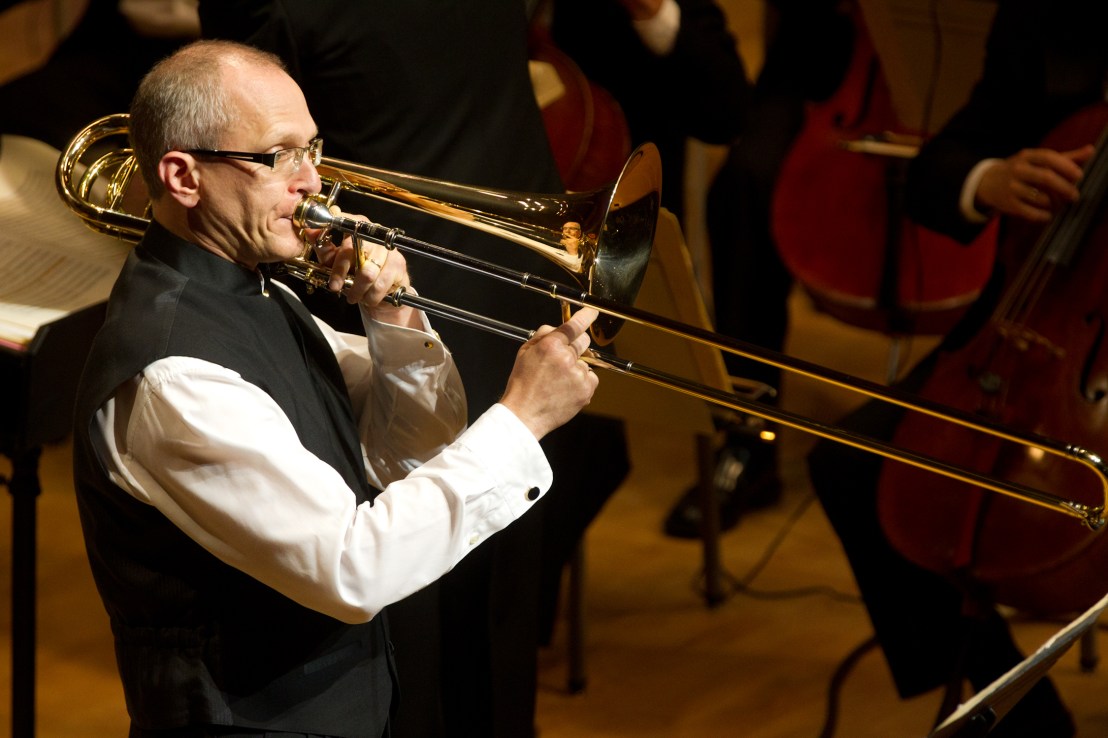
Douglas_Yeo_solo_Boston_Pops copy

First, here is how most people hold the trombone while playing. That’s me soloing with the Boston Pops Orchestra in Symphony Hall, Boston, a 2011 performance of the Bass Trombone Concerto written by my good friend, Chris Brubeck. The photo was taken by Michael J. Lutch. The instrument’s bell section is positioned on top of my left shoulder with the bell extending in front of my head. The hand slide is held by my right hand and is moved in and out. This said, we must note that in history, there have been trombones where the bell has extended backwards over the player’s left shoulder; these instruments are known as “over-the-shoulder” or OTS instruments. They achieved some popularity in the nineteenth century although they are known to have existed as early as the sixteenth century. At least that’s what some iconography tells us. They were never commonplace. And, yes, there are some trombone players who have put the trombone bell over their RIGHT shoulder moved the hand slide with their LEFT hand – jazz trombonist Locksley Wellington “Slide” Hampton comes to mind. But these instances are rare in the big scheme of things.
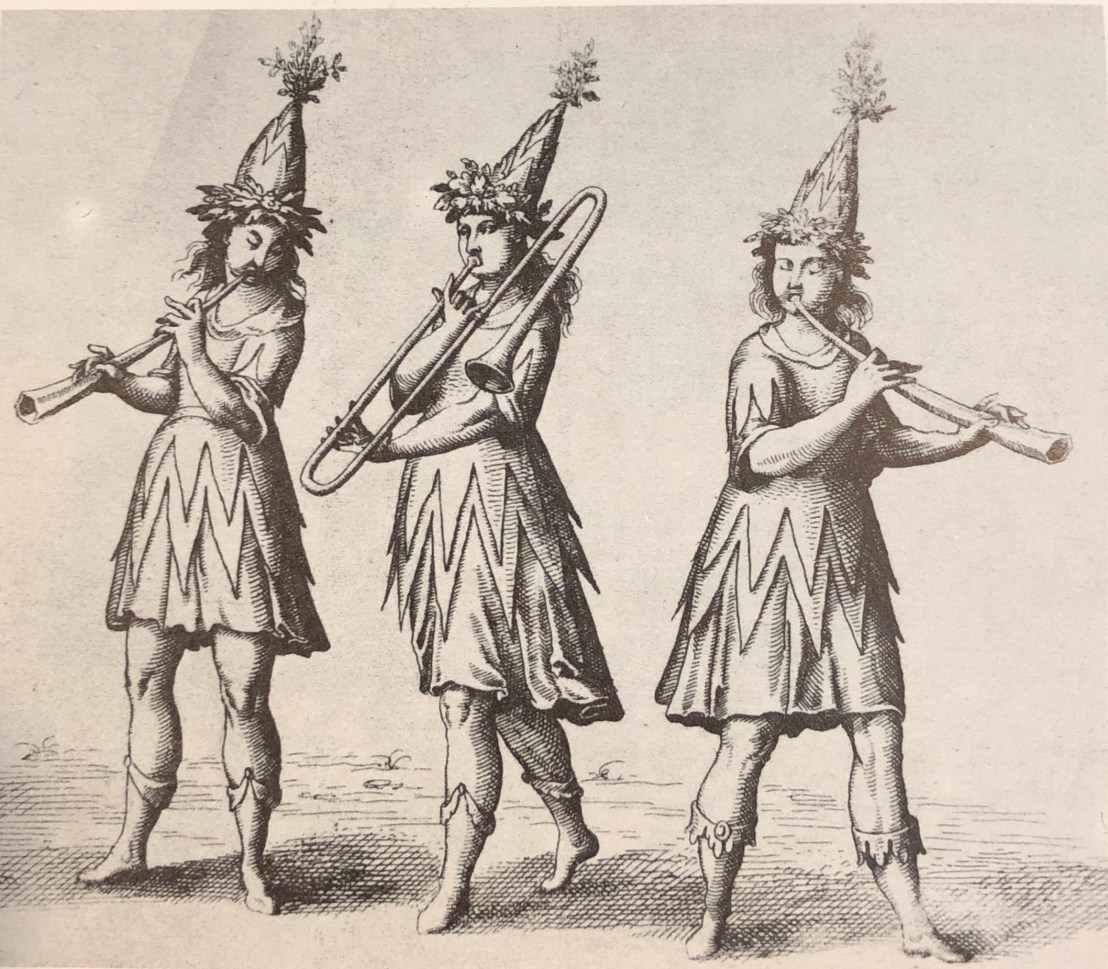
IMG_1337

From the beginning of the trombone’s history, artists have had trouble with the concept of the trombone’s slide. This print, above, by Esaias van Husen dates from 1616 and is an example of the problem. At first glance all looks well with the trombone player who is flanked by cornettists. But while the trombone bell is properly shown as resting on the player’s left shoulder, the instrument is being held by the RIGHT hand and the slide moved by the LEFT hand. Further, the player’s left hand is far down the slide; in this position, the player could only move the slide perhaps one or two positions before his arm would be fully extended. Seventh position would remain illusory. Readers will notice that there are no braces on the bell. This in itself is not “wrong” in that we have a few surviving historical trombones from the Renaissance that do not have any bell braces although the lack of braces certainly contributes to an undesirable flexibility of the whole instrument and would make it more difficult to hold.

To be fair, these artists probably drew the trombone from memory. They would remember the bell and the slide, but exactly how it all fit together often had them scratching their collective heads.

We should perhaps forgive our artists from the Renaissance; the trombone was still relatively new and it was not ubiquitous in culture. Still, we must be very careful when we try to draw conclusions about what the trombone looked like in its early history solely on the basis of paintings, drawings, and sculptures.
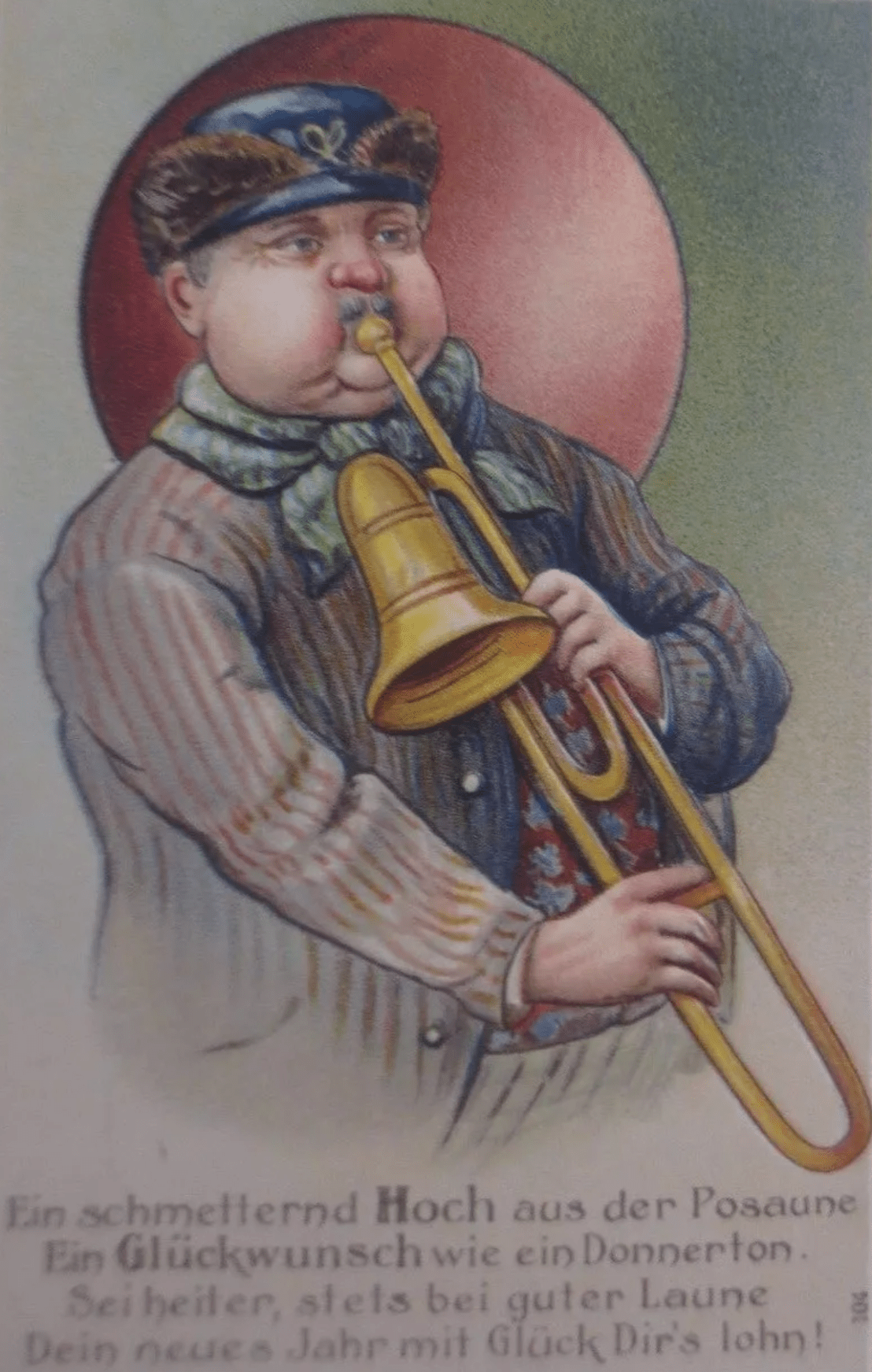
trombone_wrong_01

But from the nineteenth century forward, I’m a little less forgiving. I mean, who thought that THIS (above) actually looked like a trombone? Where do we begin with the problems?! This New Year’s card carries the following greeting (a loose translation):

A blaring high note from the trombone,

A greeting like the sound of thunder.

Be cheerful, and in a good mood,

And good luck to you in the new year!

Well, good luck playing that instrument, whatever it is.
trombone_wrong_02

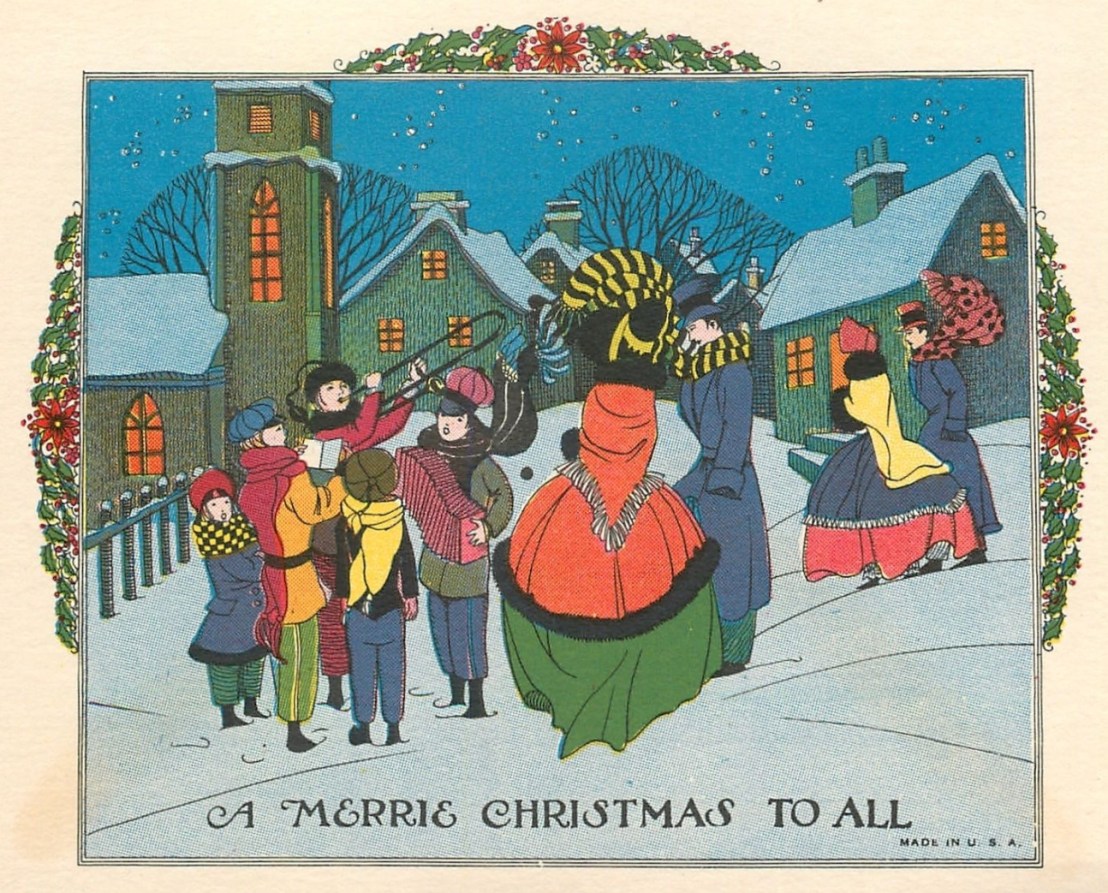
Here we go again. A lovely Christmas card, probably early twentieth century, with a woman playing trombone to accompany some Christmas carolers. But look at the impossibly small size of the trombone bell, and once again, with the bell over the left shoulder, it’s the left hand moving the slide. It ain’t necessarily so.
trombone_wrong_03

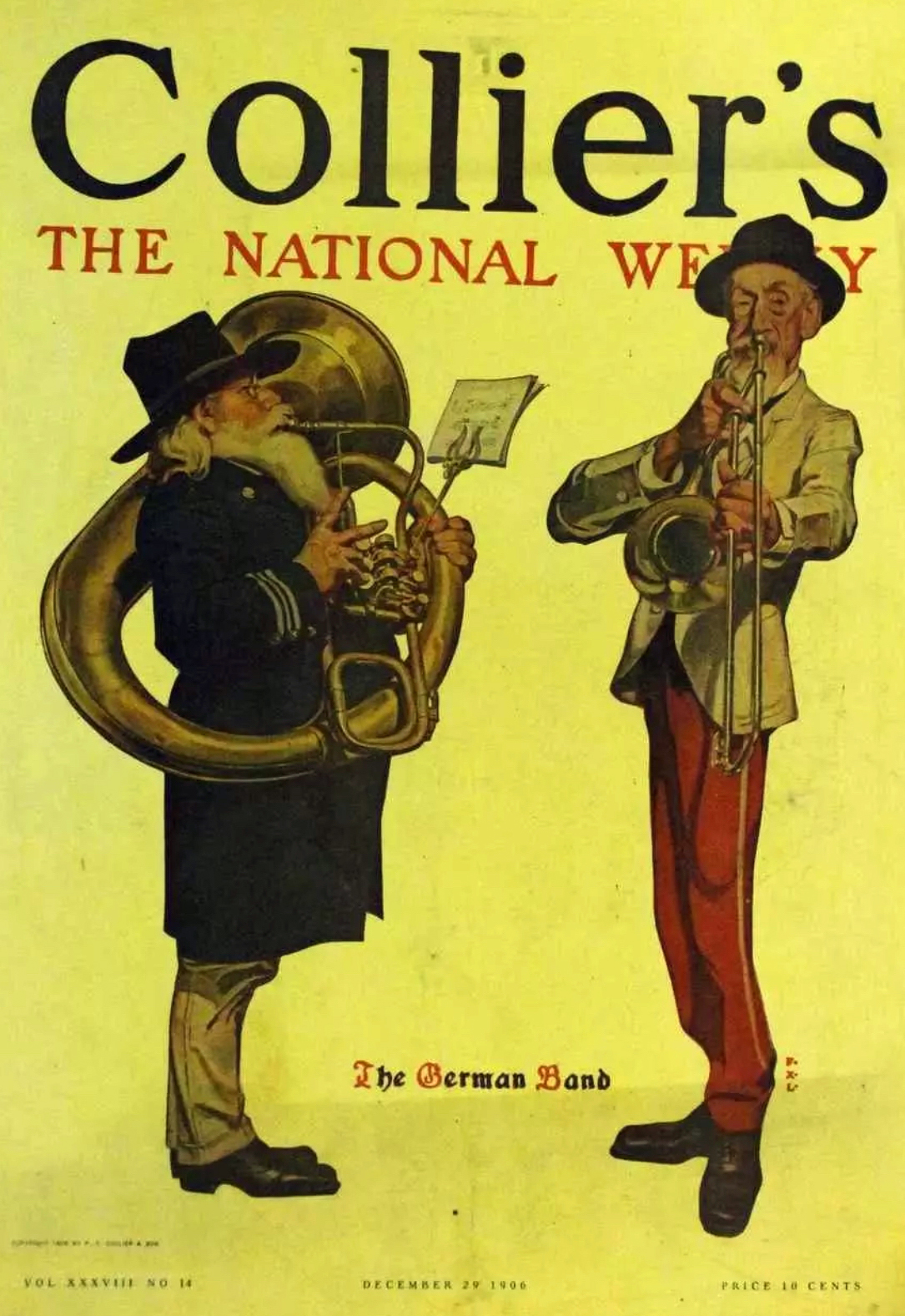
Here is a cover of Collier’s magazine, from December 1906. “The German Band” is shown.  I don’t know any German trombone players who hold the trombone like this. In fact, I don’t know any trombone players of ANY nationality that hold the trombone like this. Once again, we have a left-handed trombone player but, wow, with the bell under his right arm, it sure looks like the trombone is a weapon. I don’t like that look on his face. Better get out of the way!

trombone_wrong_04

Here is the famous poster made in 1894 or 1895 by Louis Anquetin; it features Marguerite Dufay, a well-known entertainer in the late nineteenth and early twentieth centuries in the cafés concerts in Paris. I think we can give Anquetin a mulligan with this portrayal of Dufay. It is a poster that is 100% caricature. Dufay was a woman of ample proportions but did not have arms like this – at all. The trombone is oversized like her personality but the fact that her trombone is held over her RIGHT shoulder by her LEFT hand was noticed by writers in 1898, shortly after the poster appeared. As an aside, this is one of the most famous images of a trombone and I’ve written an article about Marguerite Dufay, “Finding Marguerite Dufay: an iconic trombonist revealed” that will appear in the January issue of the International Trombone Association Journal. Anquetin’s artistic license was part of the success of the poster. But it is still wrong!

Screen Shot 2018-11-13 at 4.19.40 PM.png

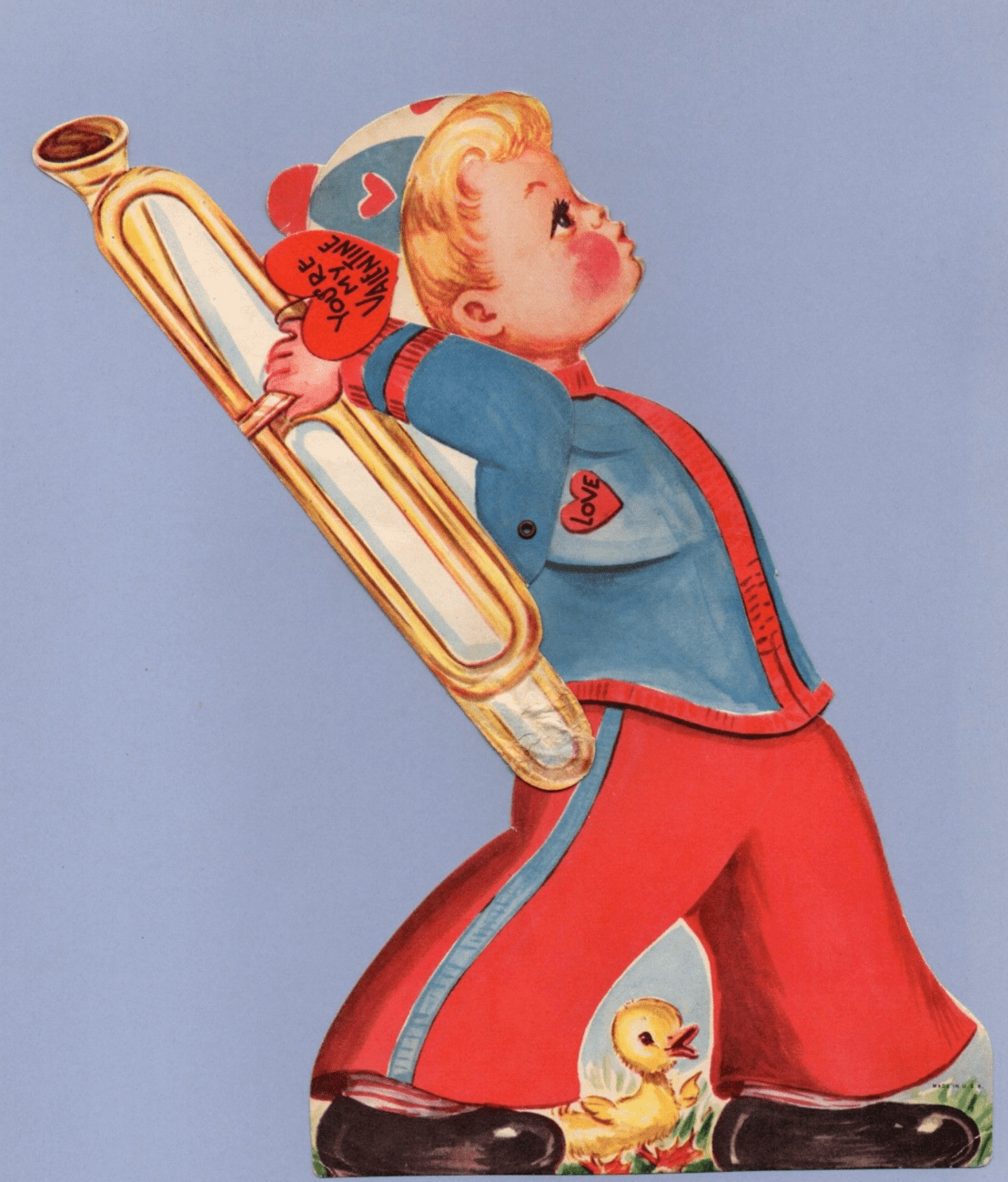
Remember those Valentine’s Day cards you used to give out to classmates in elementary school? OK, maybe you’re not old enough to remember those days where such a thing wouldn’t be met with a lawsuit, but I remember that time well. It was a very 1950s and 1960s thing. We used to give out valentines that had the look of this one, above. But, wow, what in the world is THIS? It’s actually a pretty fancy valentine. The player’s right arm moves; you can see the little hinge pin on his shoulder. Now, I THINK it’s a trombone. At least it has enough pieces to make a trombone. But who thought this instrument could work at all? Is he holding the instrument with his right hand or moving the slide? I thought that perhaps the mechanical aspect of the card might make it right. But. . . noooooo. Here’s what you can do with it:
Screen Shot 2018-11-13 at 4.27.19 PM.png

Yikes. The only thing this boy can do is launch the trombone like a javelin. A new Olympic sport! Play it? No way! Where’s the mouthpiece (among other problems)? I’m always particularly disappointed when the trombone is misrepresented for children. They ought to see the instrument as it really is, and see it in a way that can help them understand what it can actually do. As they say on Monday Night Countdown before each Monday Night Football game, “C’mon, man!”
Screen Shot 2018-11-13 at 4.32.14 PM.png

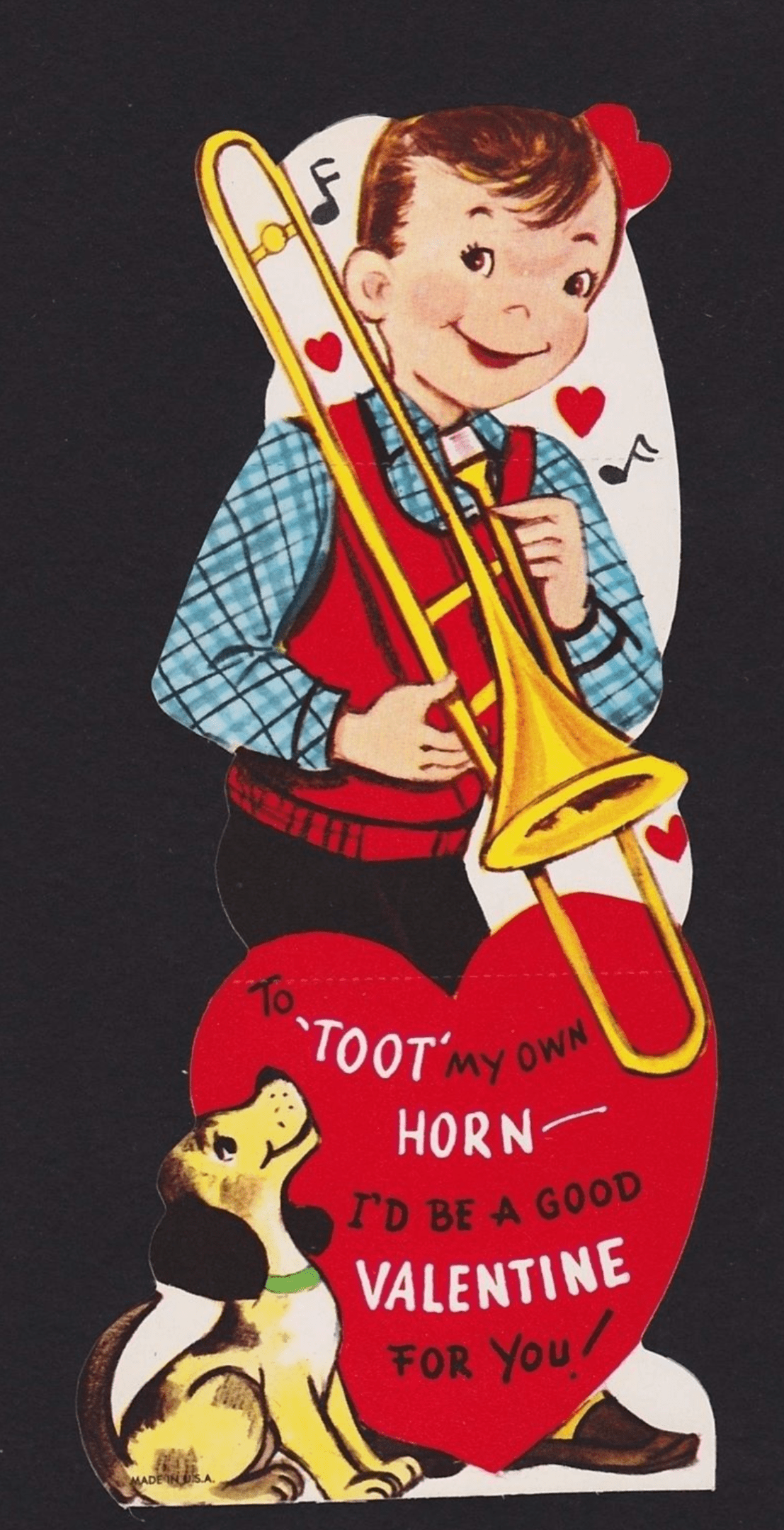
Speaking of valentines, here’s another one. Such a nice young man. But since his trombone is all out of whack – once he toots his horn, I’m not sure he could actually move the slide since the slide tubes are not parallel, among other problems – I’m not sure he’d be such a good valentine after all. Why is it so difficult to get this right?!
Grimace_McDonalds_trombone_mug

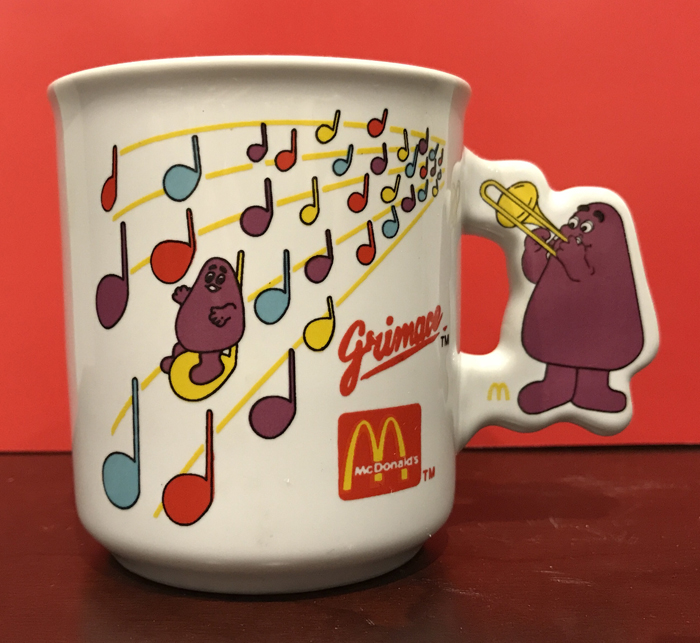
When the trombone intersects with fictional creatures, anything can happen. I picked up this mug at McDonald’s many years ago. It shows the character Grimace playing the trombone. At first glance all looks well but as you look closely, there’s a problem: where is the back end of the trombone bell? It appears to go over his left shoulder. But the bell/slide receiver appears to go right into Grimace’s chest. I don’t know, I can’t figure it out. But it is a cool mug (if you like to hold purple creatures who play the trombone while you’re drinking your coffee).
Smiths_umbrellas_trombone_card_01

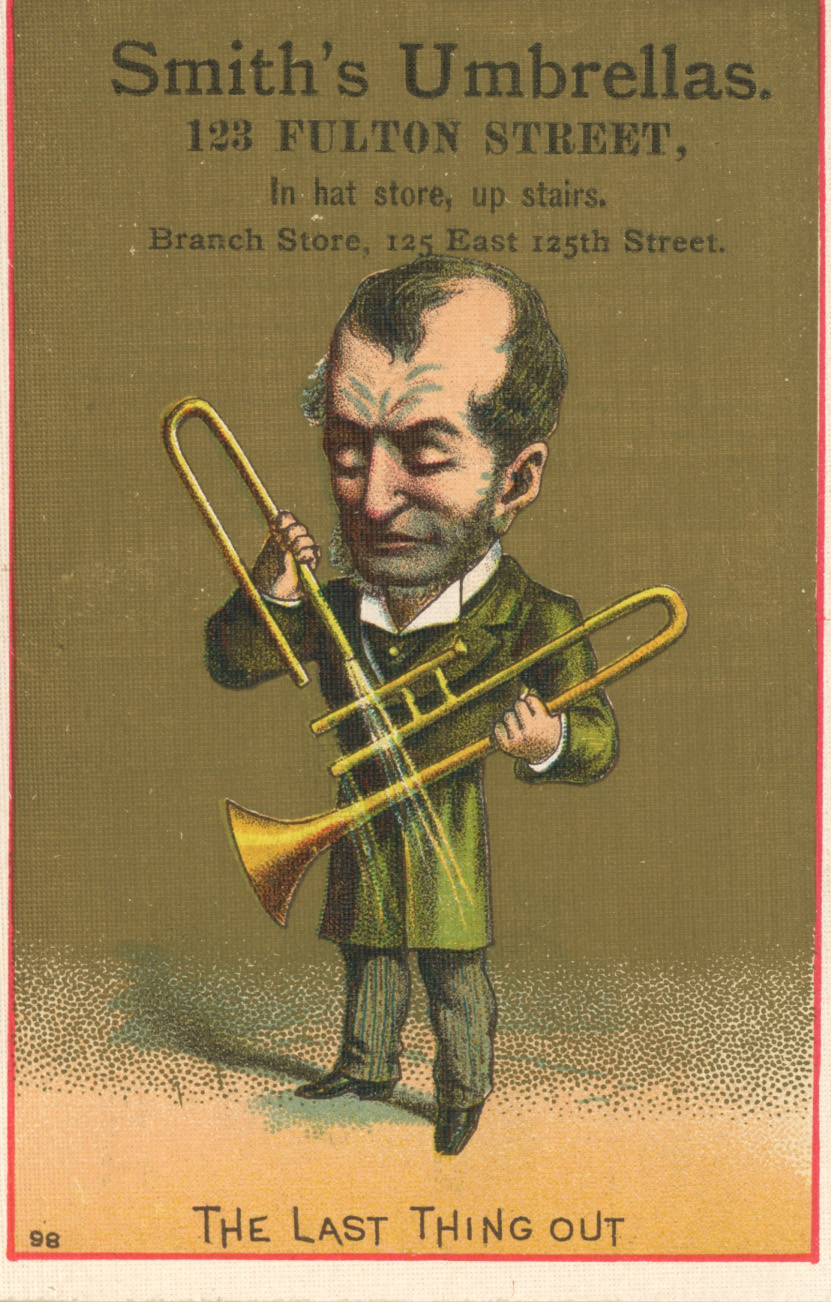
This late nineteenth century advertising card for Smith’s Umbrellas – I have several of these cards, all featuring different merchant names – shows a trombonist solving the proverbial problem of getting condensation out of his slide. But look at the inner slide – it appears to be only a few inches long. I don’t think this player could have gotten past third position before his outer slide came off in his hand. So much for the seven position trombone. . .
Rodeheaver photo with truncated trombone, 1926 - Newspapers.com

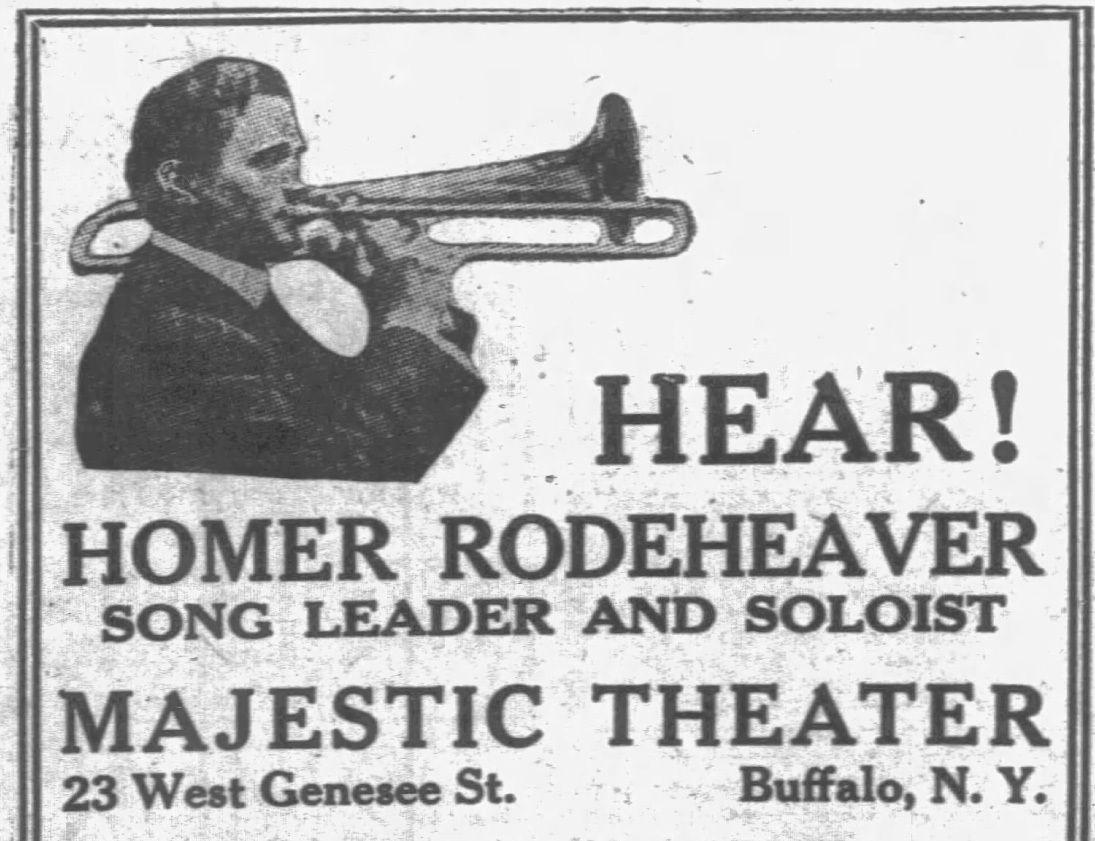
Speaking of trombones with truncated slides, here is an advertisement for an appearance by Homer Rodeheaver in Buffalo, New York, in 1926. Rodeheaver was the trombone-playing song leader for evangelist “Billy” Sunday in the first third of the twentieth century. He is the subject of a biography that I’ve recently co-authored with my friend, Kevin Mungons, that will be published by University of Illinois Press. Rodeheaver’s trombone was part of his personal brand and I’ve come across hundreds of photos of him with his instrument. I assure you, he played a standard seven-position slide trombone. But look at this advertisement; it looks like he’s playing a very short slide. The bell is the right size but the slide – what happened?

Rodeheaver020

It’s not difficult to figure out. Here is the original photo that was used in the ad. As you can see, the end of Rodeheaver’s trombone slide is cut off in the photo. For the advertisement, the copy editor obviously knew the photo was not complete and to use it in the ad, the trombone slide needed to have its bottom crook. So he just added one where the slide ended in the photo, ignoring the fact that the slide was actually much longer. Whoops!

Macys_ad

More recently, we find advertisements like this one for Macy’s. Cool looking guy. But I don’t know any trombone player who would buy a leather jacket from Macy’s based on this photo. We’ve got an impossibility here. Just try to think through how far the player’s LEFT hand can go before it slams into the bell. That could get very expensive. And painful. And speaking of money,  lot of it went into this photo shoot. You would have thought they could have gotten the actor to hold the trombone correctly, you think? EPIC FAIL!

trombone macy's

And there’s even more to the Macy’s story. Here’s another, fuller version of the advertisement. This woman may be smiling on the outside, but I have a feeling that when her trombone playing dude goes fast for sixth position, she’ll be calling 911 for an ambulance to come and take care of his broken wrist. Nothing funny about that. What in the world was Macy’s thinking? [ANSWER: Macy’s probably was NOT thinking.]
trombone_wrong_05

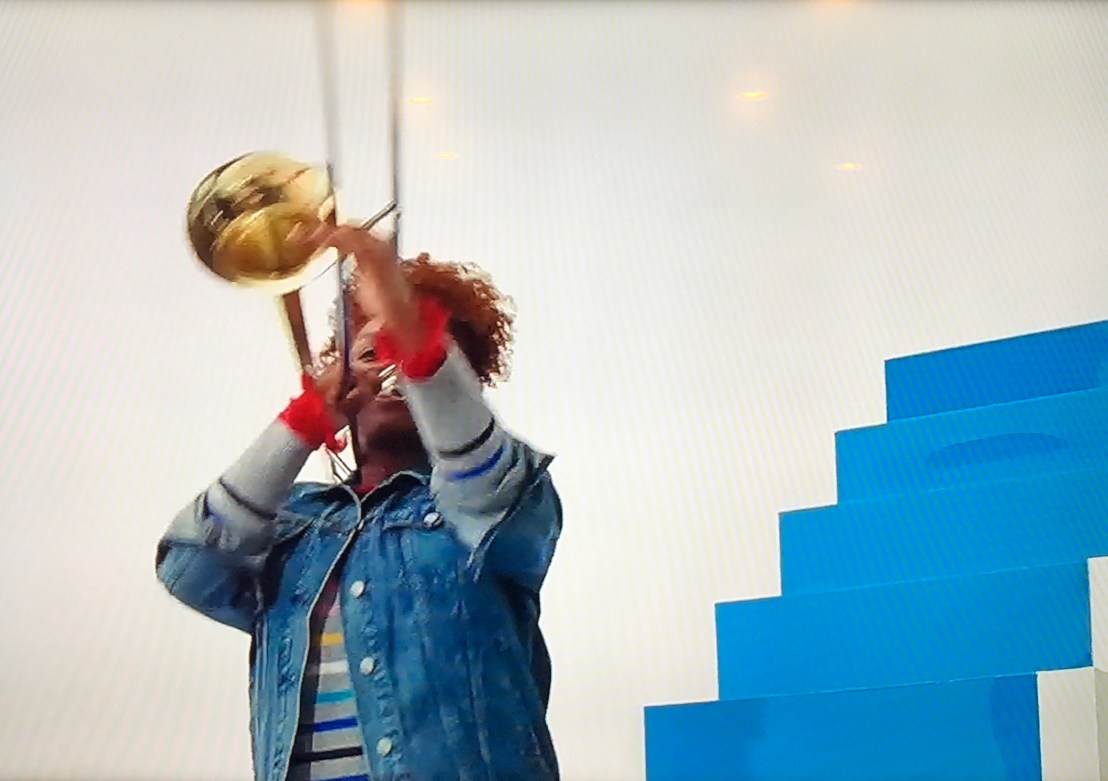
Here’s another one, a snapshot of a television advertisement for the GAP that I saw last night while watching a football game. Now, maybe this young woman really IS a left handed trombone player. But I don’t think so. It’s a rare thing when an advertising agency uses an actual musician in an advertisement. Besides, I didn’t hear any trombone playing in the ad’s soundtrack. She sure looks like she’s having a great time. But the trombone put together backwards? Uh-uh.

These kinds of examples are legion, on and on we could go. We can chuckle when we see the trombone portrayed in a goofy, or even impossible configuration. But it really shouldn’t be so difficult to get it right. And it is important. Just beware when you look at iconography for ANYTHING. Artists take their liberties, and we should always check twice before trusting any image!

 

Bach, choices, and change

Bach, choices, and change

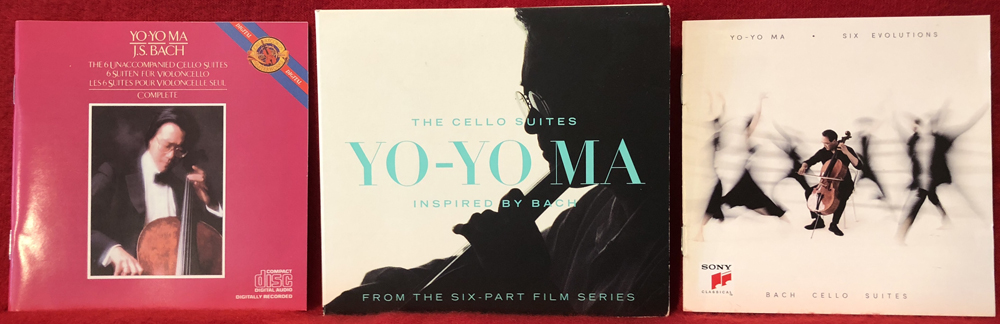
I’ve been listening to a lot of music by Johann Sebastian Bach recently. It started two  weeks ago when I was driving to Bloomington, Indiana, to take part in a celebration of the life of my trombone teacher during my freshman year at Indiana University, Keith Brown. It was about a five hour drive to Bloomington from our home near Chicago, so I put my copies of the three recordings of Bach’s Cello Suites performed by Yo-Yo Ma in the car.

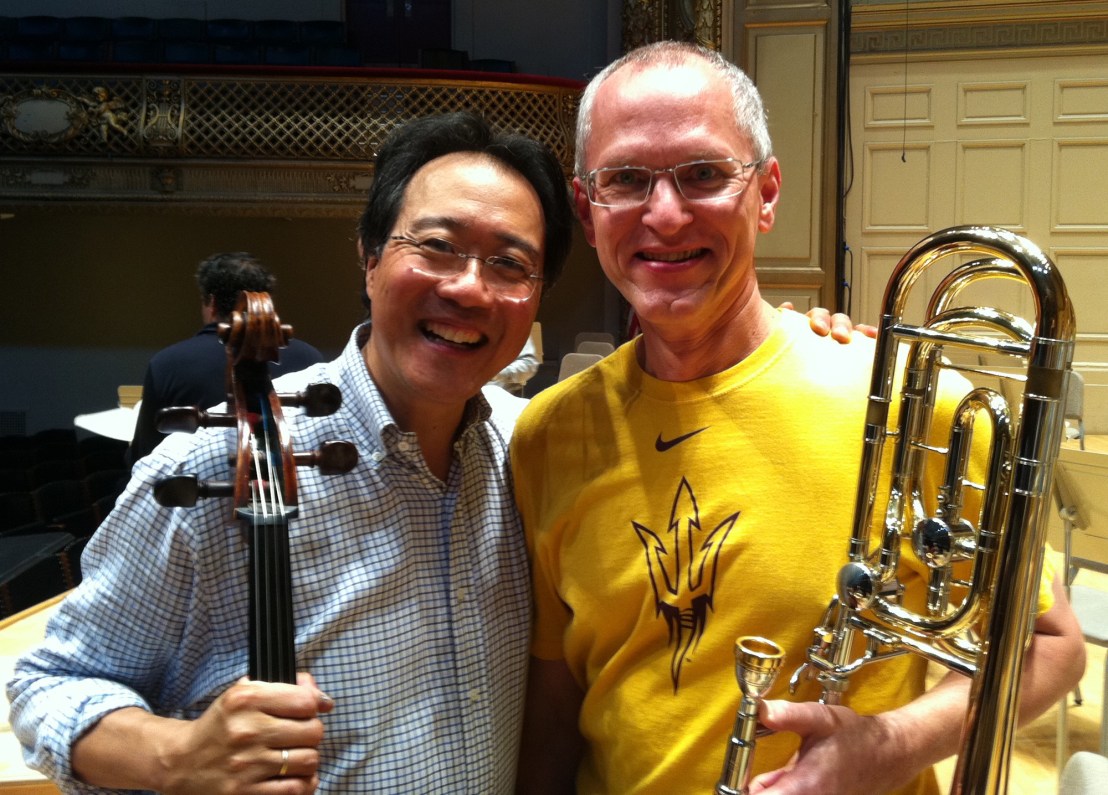
Yeo_and_Yo

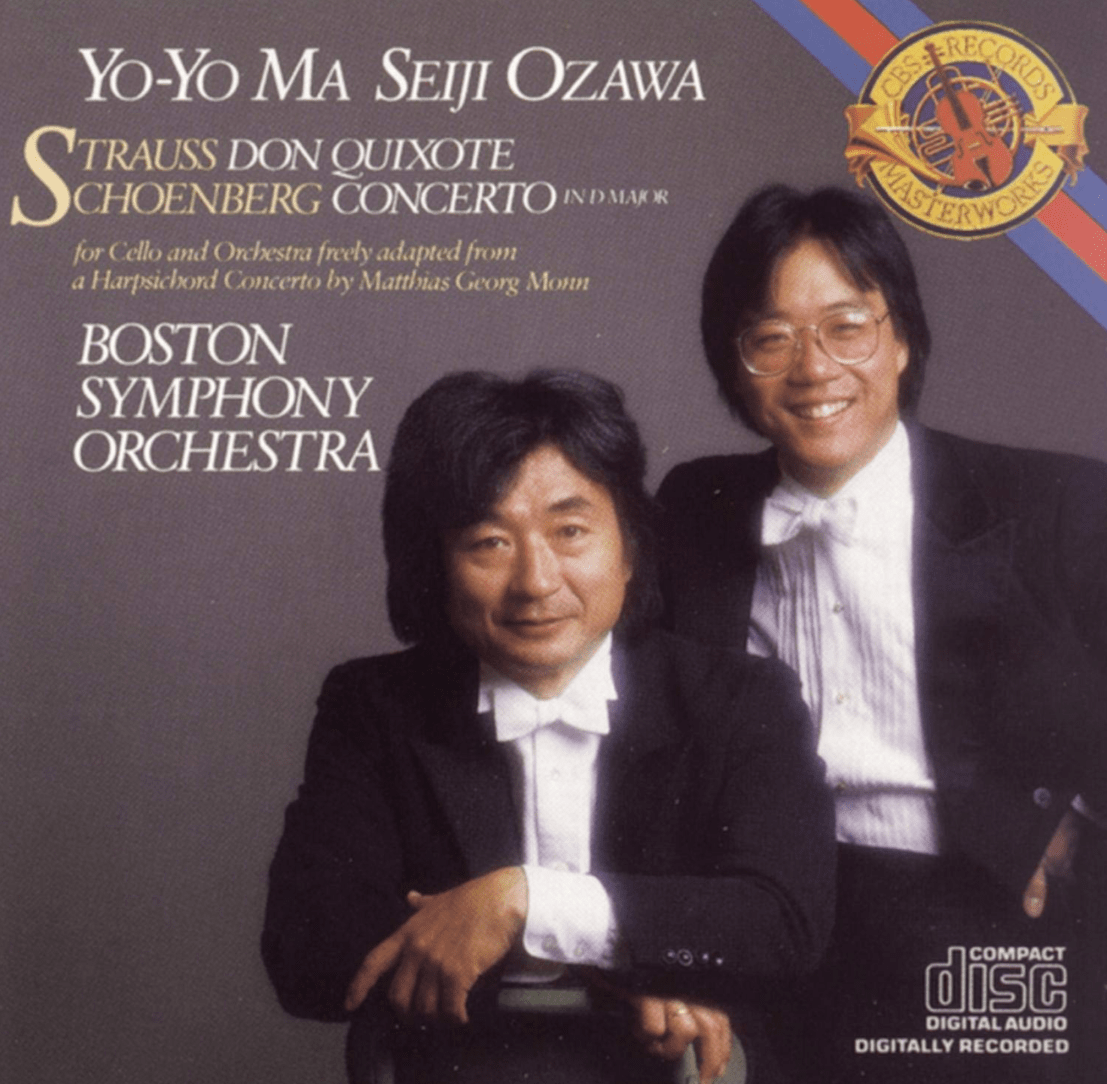
I have tremendous respect for Yo-Yo. I feel very fortunate to have played many concerts with him when I was a member of the Boston Symphony Orchestra. In fact, the first recording I made with the BSO was with Yo-Yo – Strauss’ Don Quixote conducted by Seiji Ozawa. I heard Yo-Yo play the Bach Suites in a recital at the Boston Symphony’s summer home, Tanglewood many years ago, and we enjoyed many conversations about them as well as other subjects both musical and not-musical. I am a better person, artist, musician, and trombonist because Yo-Yo Ma’s life intersected with mine.

Screen Shot 2018-11-09 at 11.23.02 AM.png

I listened to all of Yo-Yo’s Bach Cello Suites recordings on the way down to Bloomington and then again on the way up. Ma’s recordings were recorded in 1983 (in his twenties), 1997 (in his forties), and 2017 (in his sixties). They are all very different from each other, and show dramatic changes in interpretation and technique from this exceptionally gifted artist. I enjoy them all.

Ma_Bach_cello

My foray into listening to Bach continued this week with an assignment to write a script for the weekly radio show I host for Central Sound at Arizona PBS that is broadcast on Tuesday evenings on KBAQ-FM, Phoenix. I’ve been the scriptwriter and on-air-host of the radio show Arizona Encore for a few years and I am continuing to do this even though I now live in Illinois, recording the show in my home office. I always enjoy writing these scripts because in the process I always learn something.

This current script is for a show that features performances from the Arizona Bach Festival, and it is all Bach, all the time. It brought me into contact with some superb music and excellent performances – a couple of Bach’s organ works, Cantata 51, his concerto for oboe d’amore, Contrapunctus 13 from The Art of the Fugue, and a lute suite. I love writing scripts about the music of Bach because there is so much to learn and then so much to share with listeners.

As an aside, if you want to listen to Arizona Encore, you can hear it live streamed Tuesday evenings at 7:00 pm Phoenix time on the KBAQ website, kbaq.org. Or you can download the Classical Arizona PBS mobile app (available for free at the iTunes store or GooglePlay) and with that, you can listen to shows on demand for free.

As I was working on this show, I decided to pull out my recordings Bach’s Goldberg Variations by pianist Glenn Gould. I’ve always found Gould’s playing to be fascinating. He is a controversial artist; many people either love or intensely dislike his playing. There often isn’t a middle ground when it comes to Glenn Gould. Count me among those who find his playing and interpretations to be of great interest. He makes me think about music making in some different ways and I turn to his interpretations often for inspiration.

Gould_Goldberg_Var

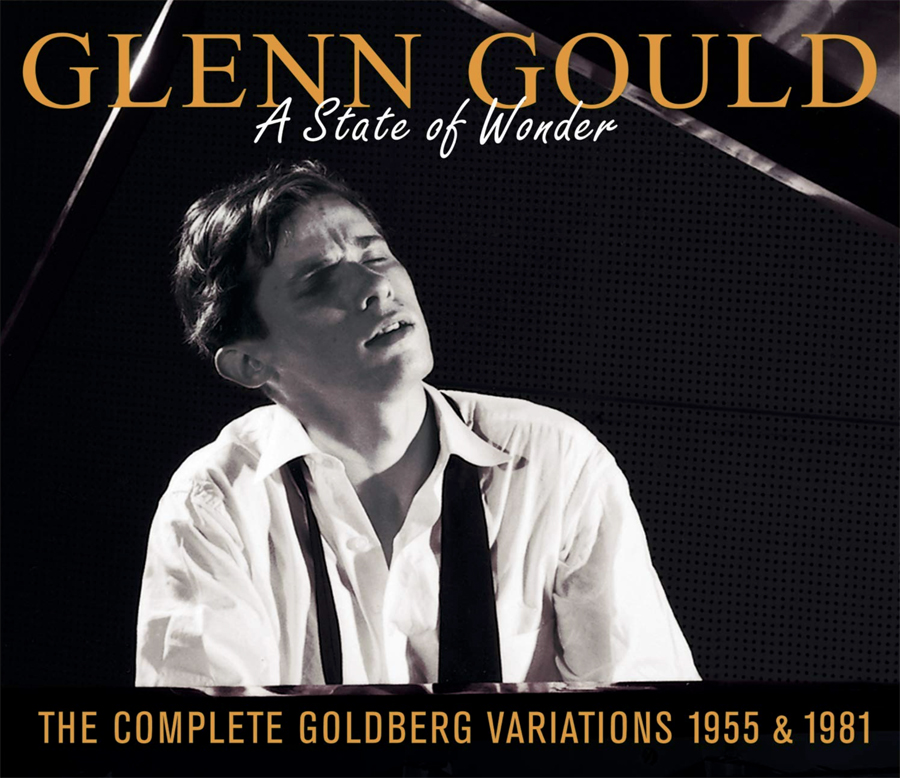
Gould’s was a life cut short by a stroke, at age 50 in 1982. He left behind a very interesting recorded legacy including two recordings of the Goldberg Variations. They were bookends to his career, being his first recording (1955) and his last recording (1981). If you have not heard them, I commend them to you, especially as packaged in a three-compact disc set, “Glenn Gould: A State of Wonder. The Complete Goldberg Variations 1955 & 1981.” Not only do you get discs with his Goldberg Variations recordings, but there is a third disc that contains his final radio interview (with Tim Page) in which he discusses these two recordings. This is great stuff.

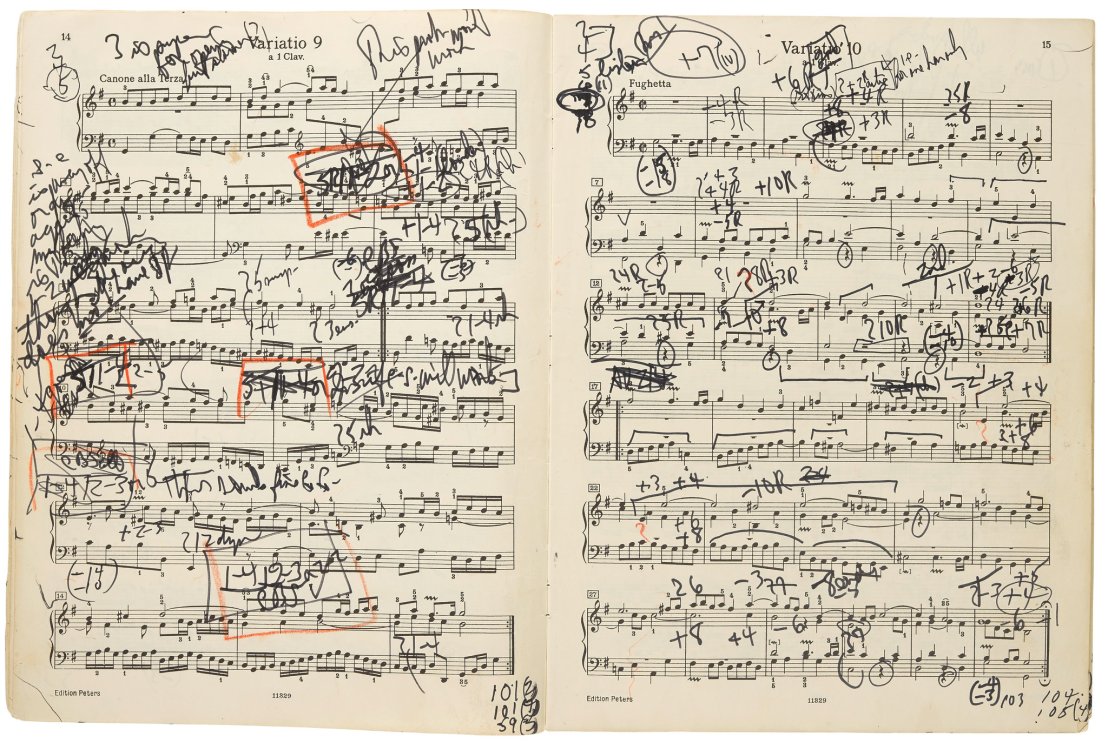
Recently, Gould’s copy of his music for the Goldberg Variations has surfaced and is coming up for auction. Want an insight into his mind? Have a look at a sample:

03gould-item2-superJumbo

In the last few days, I’ve listened to Gould’s Goldberg Variations recordings no fewer than 10 times. Each. I have enjoyed this music for many years, but for two days, the only music I listened to is the Goldberg Variations. Over and over and over. And what have I learned, in listening to the 23 and 49 year old Glenn Gould’s recordings?

We change our minds.

Like Yo-Yo Ma’s three recordings of the Bach Cello Suites, Glenn Gould’s two recordings of the Goldberg Variations show an artist who changed how he felt about playing a piece of music. Over time, each of these artists came to grips with their present season of life and they performed the same music differently than they had when they were younger. Sometimes a movement was faster; sometimes it was slower. Sometimes it had cleaner articulation; sometimes it was more legato. Sometimes there was a different musical “feeling” to the performance. But in every instance, it was not simply a matter of “this performance is better than that one.” No, it is more that “this performance is DIFFERENT than that one.” Different does not always mean better or worse. Hearing artists change over time is fascinating to me because it is reflective of something that we all do -– we change. It is possible to love two things that are very different exactly the same.

This may seem self-evident but when you drill down this thought – we change – you realize that we don’t actually always believe that we WILL change. And this sometimes gets us into trouble.

When I was Professor of Trombone at Arizona State University, we had a weekly trombone studio class. My career as a teacher has been to do much more than simply teach trombone lessons. I have always been interested in helping my students actualize their potential not only in music, but in all of life, and help them navigate the choices they are faced with. Each year, I spent part of our first studio class in the fall semester talking about personal choices.

In that discussion, I wanted my students to understand that I knew that each of them were distinct individuals, and that each person makes choices for him or herself. Many of these choices are interesting but rather innocuous – one person likes sushi, another is a vegan, yet another enjoys Big Macs. These are not moral choices; they are personal choices. We can argue the health benefits of various diets but eating is often done in private and generally has little consequence on how people view you.

Other choices are presented to the public. How you dress. The length of your hair. Whether you have a tattoo, or body piercing. The length of your fingernails. These are also personal choices, but they are visible to others. And some other people, whether you like it or not, whether you desire it or not, will make judgments about you in light of these choices you make. While I may have an opinion about your choices, that opinion does not wholly form my impression of you. I told my students that I looked at them more deeply than their physical appearance. I was young once, too, and in my youth I made choices and decisions for which others certainly judged me. I remember.

But in this discussion with my students, I would always make two points:

While I do not judge you, your character, or your personhood on the basis of many of the personal choices you make, others will.

and

You will not always feel the same about the choices you make today.

These are very important things to consider. It is easy to say, “I will do what I want and I don’t care what other people think,” the fact is that what other people think of you can have significant implications on your life. I would remind students that when they go to interview for a job, the person hiring them might be their father’s age. The hiring party might not have the same view you have of the choices you have made. You would probably never know if the reason you didn’t get a job is because of the way you dressed, or whether you had a tattoo or industrial ear piercing. But the view of others might very well have implications on whether or not you are hired.

This in itself is not the sole reason a person should or should not make particular personal choices. But it is important for one to have a self-discussion and weigh the potential consequences of a decision. One should not be surprised that the choices we make often have unintended consequences. I have found that when I ask a person in their twenties how they think they might feel about a choice they make now when they are in their forties, they confess they never considered the thought. Think about this. It’s important.

Screen Shot 2018-11-09 at 6.22.19 PM

The other thing is this: we change our minds as we get older.

Just like, over time, Glenn Gould and Yo-Yo Ma changed their minds about how they felt about performing music of Bach, we also change our minds about how we feel about many things.

This may seem self evident. I’m sure that anyone reading this article can look back on his or her life and see things that they have changed over the years. It is relatively easy to look at the past and see the changes we have made in our lives.

But what we DON’T so easily see is that we WILL change in the future.

I commend to you this thought-provoking article by John Tierney, Why You Won’t Be the Person You Expect to Be. The article appeared in The New York Times on January 3, 2013, and is very thought-provoking. I have shared it with many of my students since it first appeared.

Tierney’s article is about a study by a team of psychologists that found that “people underestimate how much they will change in the future,” what they call the “end of history illusion.” The premise is neatly summarized by Tierney:

The typical 20-year-old woman’s predictions for her next decade were not nearly as radical as the typical 30-year-old woman’s recollection of how much she had changed in her 20s. This sort of discrepancy persisted among respondents all the way into their 60s.

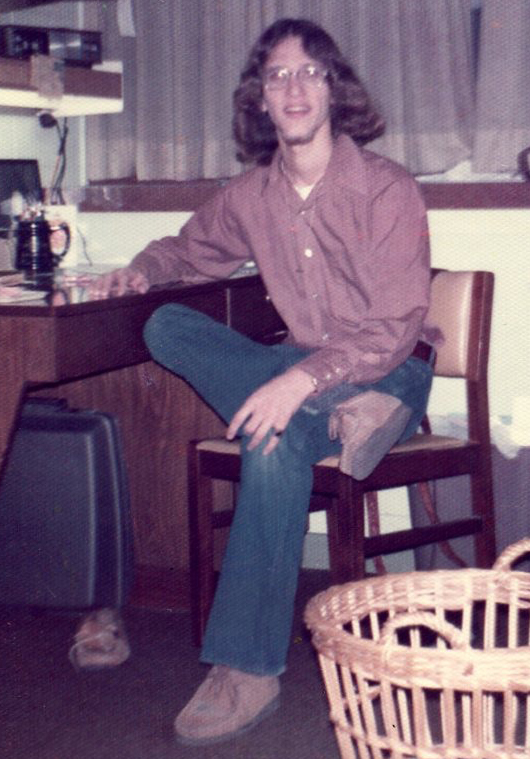
When I was 18, I went to college. Without my father around to “remind me” that I should get a haircut, I let my hair grow long. I liked it. My girlfriend (now my wife of 43 years) liked it. Doing so was pretty common in the early 70s. I kept my long hair for several years. The photo below is from the summer of 1974, in my dorm room at Wheaton College in Illinois. Very seventies for sure.

D_Yeo_1974

But then I changed. One morning, I work up, looked in the mirror, and said, “Douglas: you look stupid. Get a haircut.” So I did. I changed my mind.

As I look back on it, I’m glad that my act of youthful rebellion was reversible. Hair grows, can be cut, and grows back. I changed my mind so I changed my look. And there were no unintended consequences that lasted beyond my decision to change.

The same cannot be said for all personal choices. Norman Rockwell portrayed this very neatly in his famous Saturday Evening Post cover of the tattoo artist. The sailor sits in the chair, getting his girlfriend’s name inked on his arm. Below the now crossed out names of past girlfriends.

Rockwell_tattoo

Choices and change. They go hand in hand. We make decisions. But we would do well to think through the potential unintended consequences of decisions and how later in life, we might not feel the same way about those choices as we did when we made them. Personally, I’m grateful that when I changed my mind about one of my personal choices, I could simply get my hair cut rather than get a tattoo painfully removed. I have many friends who look back on youthful choices – recreational drug use, excessive alcohol consumption, cigarette smoking, multiple sexual partners, body mutilation, etc. – who today, having changed their mind about those choices, are living with the consequences of decisions that were not well thought through at the time.

Yo-Yo Ma and Glenn Gould reminded me recently how we as artists change. Change can be a very good thing sometimes, and some kinds of change are indications of positive personal growth. But John Tierney’s article reminds us that we actually WILL change, even if we can’t imagine it is possible. Tierney closes his article with this story about psychologist Dan P. McAdams:

“The end-of-history effect may represent a failure in personal imagination,” said Dan P. McAdams, a psychologist at Northwestern who has done separate research  into the stories people construct about their past and future lives. He has often heard people tell complex, dynamic stories about the past but then make vague, prosaic projections of a future in which things stay pretty much the same.

Dr. McAdams was reminded of a conversation with his 4-year-old daughter during the craze for Teenage Mutant Ninja Turtles in the 1980s. When he told her they might not be her favorite thing one day, she refused to acknowledge the possibility. But later, in her 20s, she confessed to him that some part of her 4-year-old mind had realized he might be right.

“She resisted the idea of change, as it dawned on her at age 4, because she could not imagine what else she would ever substitute for the Turtles,” Dr. McAdams said. “She had a sneaking suspicion that she would change, but she couldn’t quite imagine how, so she stood with her assertion of continuity. Maybe something like this goes on with all of us.”

You never know where your mind will go when you listen to the music of J. S. Bach.

On the move

On the move

It is a sign I have seen in front of my house only once before, in 2012, when I retired from the Boston Symphony and my wife and I sold our home in Lexington, Massachusetts. The sign tells a much larger story than its single word. But at the fundamental level, a SOLD sign means we are on the move again.

In 2010, we purchased a beautiful home in the Estrella community of Goodyear, Arizona. We knew that someday we would want to live in the southwest and that someday came in May 2012 when we left Massachusetts and moved into our home. We’ve enjoyed six years in this beautiful place. I have had a music room that I could only dream about, a place to play trombone, read, and write.

IMG_9618

But today all of this is going away and we are moving to a new place. United Van Lines pulled up to our home yesterday and our driver, Amerigo, and his assistant, Justin, spent the afternoon taking inventory of our belongings. Today they returned, with three more men, and they are at work right now packing up a huge van with everything we own.

IMG_0782

I have great respect for people and the work they do. Everyone does something. I play the trombone. Others pack up houses. To see Americo and his crew at work is to see people who have strength, knowledge, understanding, and creativity. It is not easy to fit 500 boxes, pieces of furniture, and other items into a rectangular truck. And get everything safely to a new destination. But as I watch them carefully wrap furniture and systematically fit things into the truck, I have to smile. These guys know what they are doing. They are, in their own way, artists.

IMG_0797

In March, we made the big decision to leave Arizona and move to a western suburb of Chicago. Into a much smaller house. Back to winters of cold and snow. I confess that I never imagined we would leave Arizona, a place that we have loved in so many ways. But there was only one thing that could lead us to make this big decision.

Our grandchildren.

IMG_8156

When we made the decision to purchase our home in Arizona in 2010, these two precious ones were not a part of our lives. But all of that changed a few years ago as first Hannah, and then Caleb, were born. As time has marched on, we have enjoyed many visits with them both here in Arizona and in Illinois where our oldest daughter and her family live. But several visits a year and daily FaceTime calls are not enough. Our hearts wanted more. After they visited us in March of this year for a week of Chicago Cubs baseball spring training, I turned to my wife, Pat, and dropped a big one: let’s leave Arizona and move to Illinois. I never imagined those words would come from my mouth. But it seemed that God was prompting us to do something radical, something completely unexpected but at the same time quite wonderful. At first I thought that we would consider moving near to our grandchildren at some undefined time in the future. That rapidly changed to considering doing “the snowbird thing” – living in Arizona in the winter and in Illinois in the summer. But when we ran the numbers, it just didn’t make good, prudent fiscal sense. And we concluded that if we were in Illinois for half the year, we’d miss so many things that happened there in the other half of the year. So in a short time – just a few weeks – we decided to purchase a home in Illinois just 10 minutes from Linda and her family. Since then we have done an extreme makeover of our new place and it will be ready for us when we arrive there in a few days.

So, here we go. Back to Illinois, near Wheaton, where Pat and I were undergraduates at Wheaton College in the early 1970s. Back to the land where I met my trombone teacher and mentor, Edward Kleinhammer (bass trombonist of the Chicago Symphony, 1940-1985). Most of all, we are heading to a place where we can be a bigger part of the lives of our precious grandchildren. Anyone who has grandchildren will surely appreciate what I am saying here.

Yes, I will miss Arizona. But we will be back. We have much more left to explore in the southwest. But no matter how much we love being here, we know that the old adage “family first” is true. We have no regrets about leaving; we are moving ahead, looking to the future with great anticipation.

IMG_0791

This morning I watched the sun rise for the last time from the roof of our home. As it rose over the Estrella Mountains, I felt such gratitude to God for the opportunity to have lived here for the last six years. I have learned so much, and I will share some of that in future articles on The Last Trombone. By the end of the day today, our home in Arizona will be empty. Next Friday, Amerigo and his truck will pull up to our new home in Illinois and a few hours later, it will be full. Soon, the sound of the laughter of children will ring in its rooms. There are no words in the English language that mean more to me than, “I love you, grandpa. I love you, grandma.” That is why we are leaving Arizona. God is good.

The elusive “Rochut No. 1 and No. 73”

The elusive “Rochut No. 1 and No. 73”

by Douglas Yeo (August 2, 2018; revised November 13, 2024)

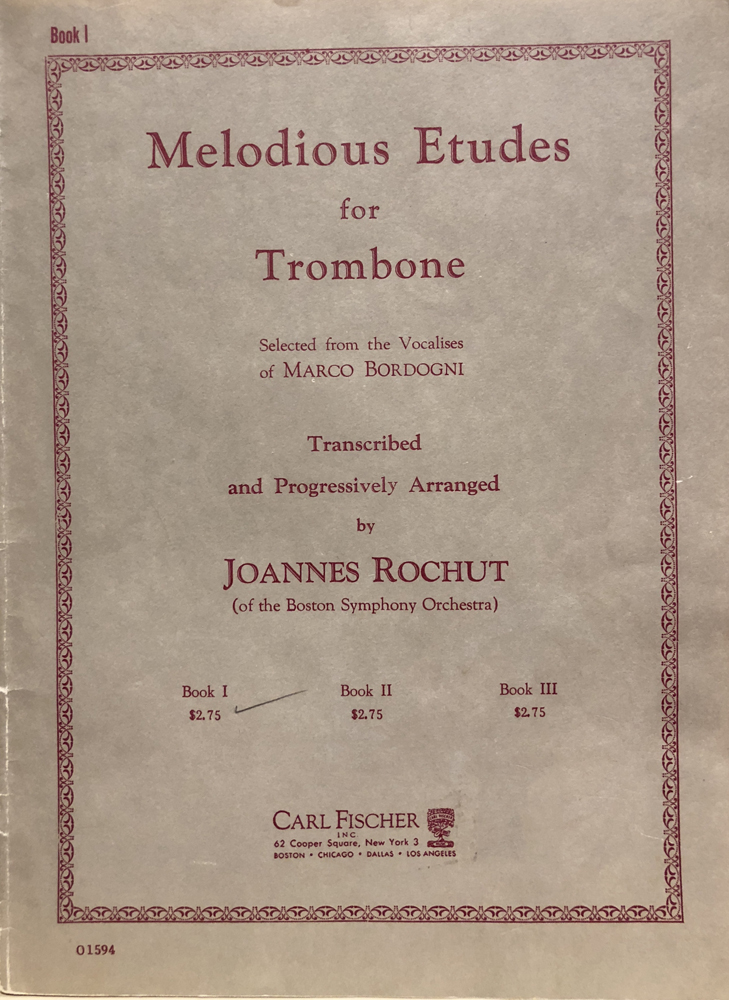
The name Joannès Rochut has been known to generations of trombone players around the world, thanks, in large part, to the three volumes of Vocalises of Marco Bordogni that he arranged for trombone. Published as Melodious Etudes for Trombone Selected from the Vocalises of Marco Bordogni, Rochut’s books were published in 1928 by Carl Fischer of New York City. The date is significant: it was during Rochut’s tenure as principal trombonist of the Boston Symphony Orchestra from 1925-1930 that he published the books that made his name so famous to trombone players. Most players today are unaware that Rochut played in the Boston Symphony, and his tenure in Boston is part of a major article about Rochut I have written that will appear in the January 2025 issue of the International Trombone Association Journal.

Rochut_Bordogni_book_1_cover

Cover to the first edition of Volume 1 of Joannès Rochut, Melodious Etudes for Trombone, Selected from the Vocalises of Marco Bordogni (New York: Carl Fischer,  1928).

But if most players today are unaware of Rochut’s connection with Boston, those who first bought his Melodious Etudes certainly knew about it, since his affiliation with the orchestra was printed on the cover of the Melodious Etudes. See the photo above of the cover of my first edition copy of Book I.

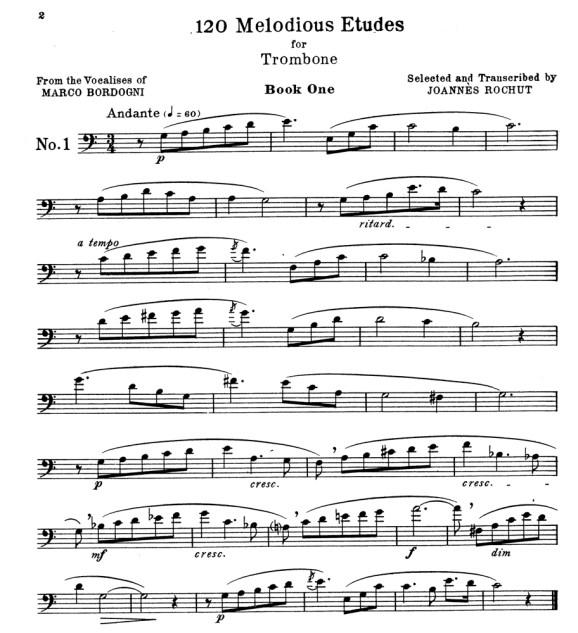
There is something about Rochut’s books that has puzzled many trombone players and scholars. Rochut transcribed and arranged 120 of Bordogni’s Vocalises. 118 of them have been identified in Bordogni’s works. But No. 1 of Rochut’s Book I and No. 73 in Book 2 have not been found in Bordogni’s oeuvre.  So, who wrote these etudes?

Bordogni_Rochut_Book_1_1928-3

Volume 1, etude 1 from Joannès Rochut, Melodious Etudes for Trombone, Selected from the Vocalises of Marco Bordogni (New York: Carl Fischer,  1928).

Some people have assumed that Rochut composed these etudes. No. 1 happens to be one of my favorite exercises in Book I and I, too, have puzzled over this, wondering who wrote it. [As an aside, note that Rochut’s first name is spelled “Joannès.” Unfortunately, Carl Fischer’s new edition of “the Rochut book” does not spell his name correctly, but that is a story for another time. . .]

A few months ago, the mystery solved itself. A needle in a haystack surfaced as I was doing research for one of the books I’m writing at this time. I had some correspondence with Gary Spolding about his planned edition of Bordogni for trumpet and we discussed “Rochut No. 1.” As a result of our conversation, I located a copy of 26 Etudes Techniques d’apres Bordogni by Louis Allard and Henri Couillaud.

Allard_Couillaud_cover

The cover of Louis Allard and Henri Couillaud, 26 Etudes Techniques d’apres Bordogni (Paris: Buffet-Crampon, 1927).

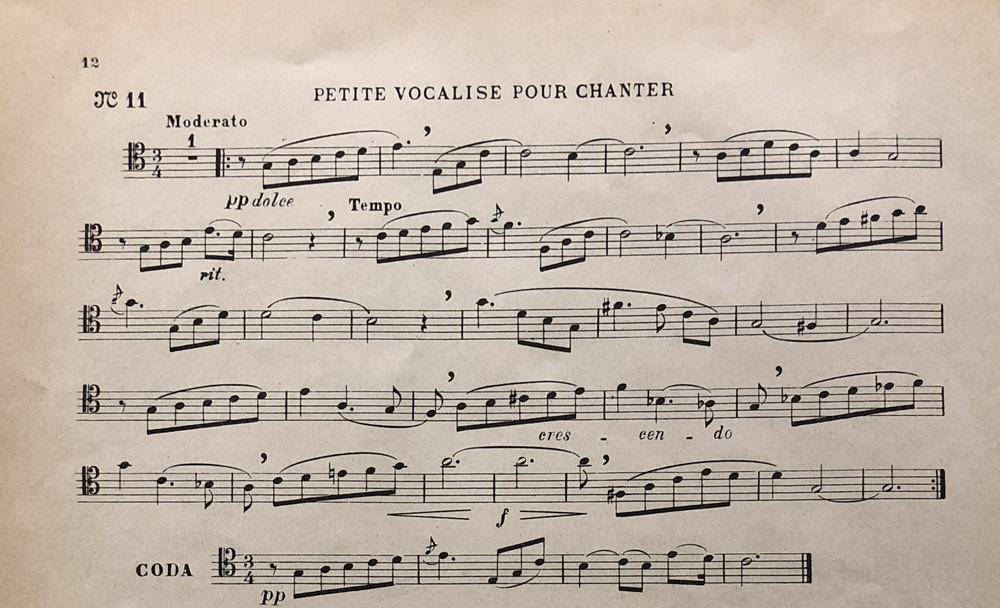
Published in Paris in 1927 – a year before Rochut’s Melodious Etudes – Allard and Couillaud’s book contains original exercises in the style of Bordogni. And on page 12, exercise 11 is found:

Allard_Couillaud_12

Exercise 11 from Louis Allard and Henri Couillaud,26 Etudes Techniques d’apres Bordogni (Paris: Buffet-Crampon, 1927).

What is this? It is none other than “Rochut No. 1.” Except it’s not. It’s Allard and Couillaud’s No. 11. Allard and Couillaud were the chickens; Rochut was the egg.

Louis Allard and Henri Couillaud were trombone professors at the Paris Conservatoire; Allard from 1888-1925 and Couillaud from 1925-1948. Rochut studied with Allard at the Conservatoire; in fact, Rochut won the first prize in trombone there in 1905, playing Sigismond Stojowski’s Fantasie.

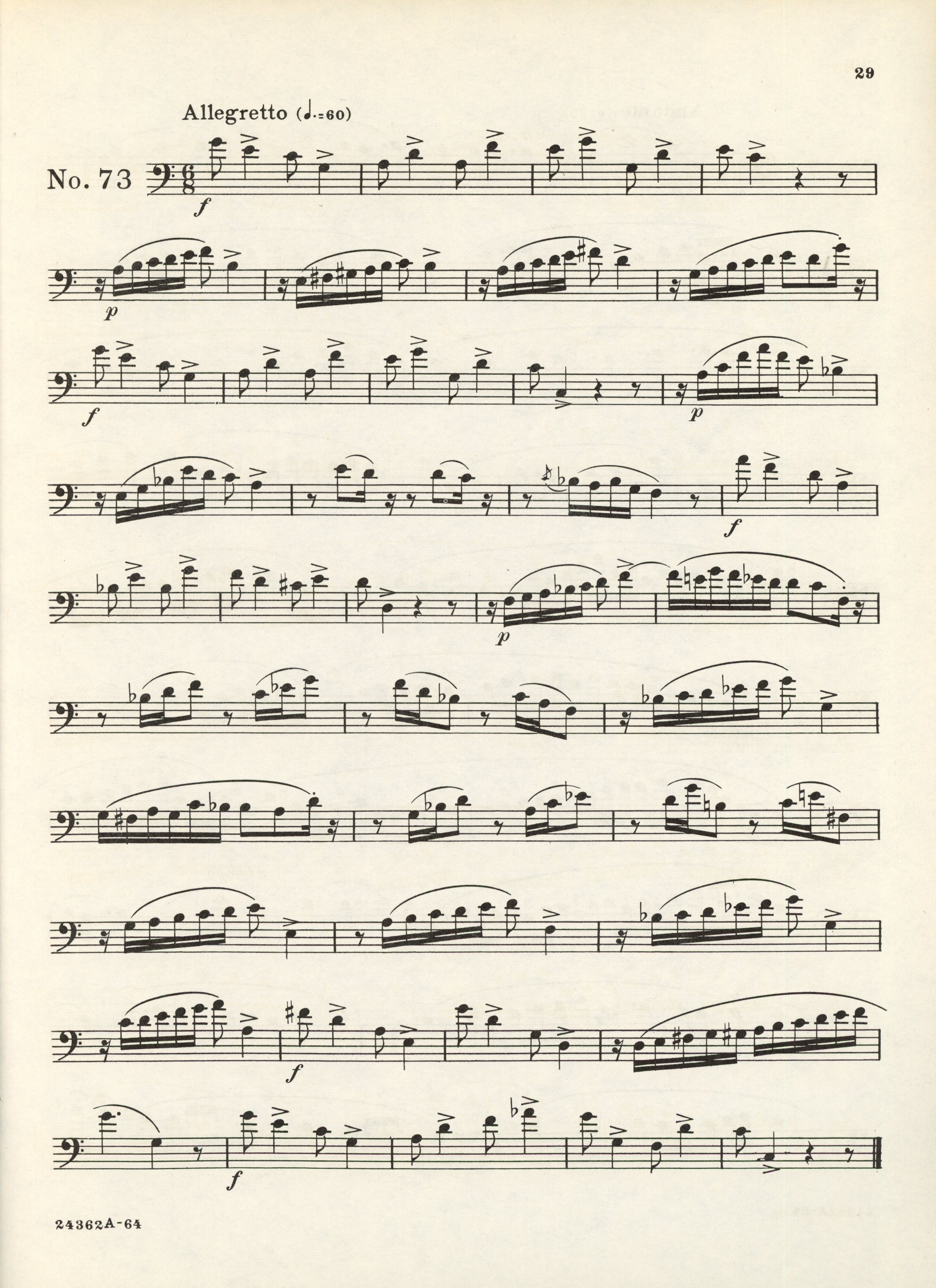
We find a similar situation with Rochut’s No. 73. It wasn’t written by Bordogni. It was also written by Allard and Couillaud, and it’s found in the same book. Here’s Rochut’s No. 73:

56.ROCHUT_Rochut_73

Volume 2, etude 73 from Joannès Rochut, Melodious Etudes for Trombone, Selected from the Vocalises of Marco Bordogni (New York: Carl Fischer, 1928).

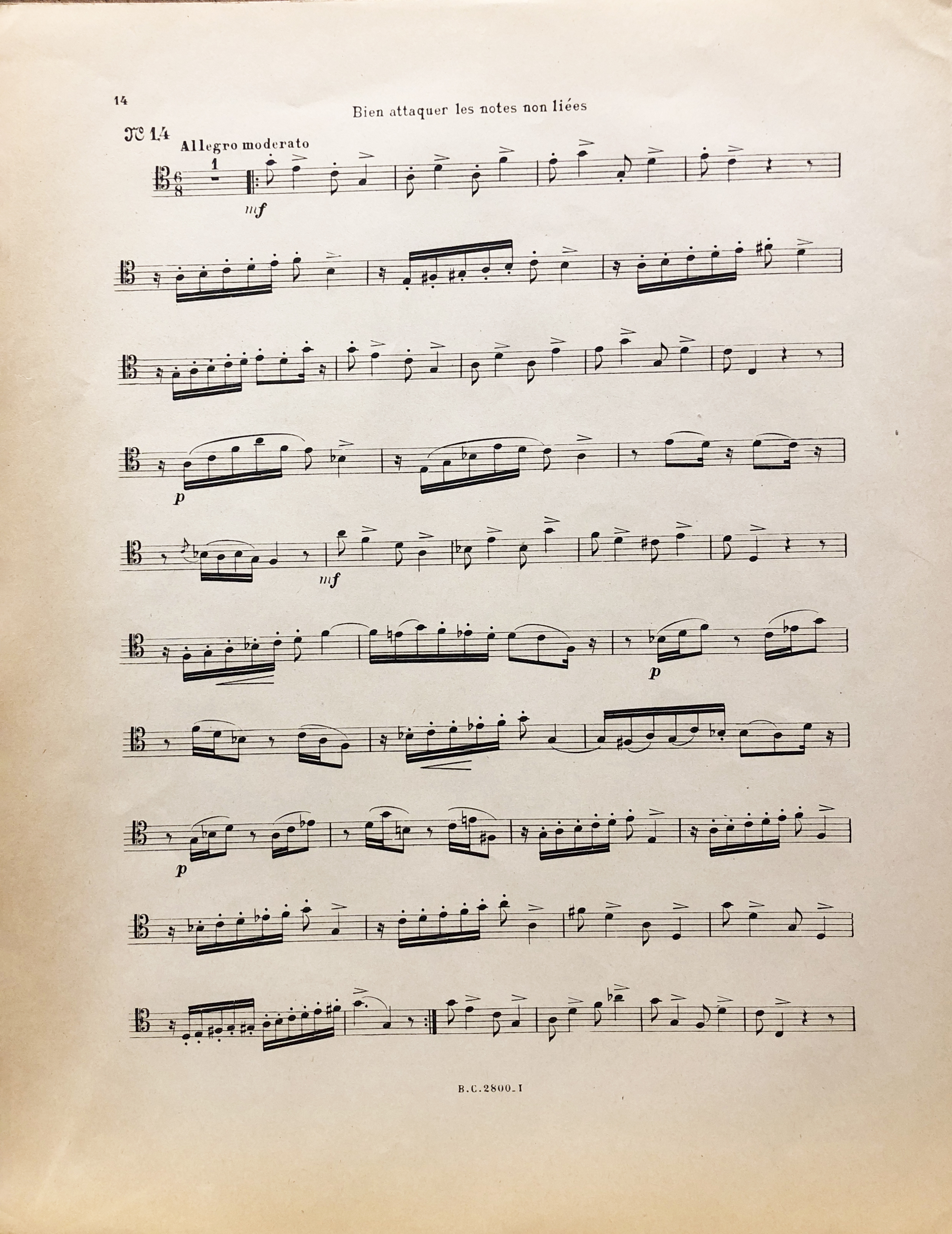
And here’s what Allard and Couillaud wrote a year before Rochut published his book of Bordogni etudes:

55.ROCHUT_Allard_Couillaud_14

Etude 14 from Louis Allard and Henri Couillaud, 26 Etudes Techniques d’apres Bordogni (Paris: Buffet-Crampon, 1927)

So here we have a situation. Rochut’s Nos. 1 and 73 were published in 1928. Allard and Couillaud’s Nos. 11 and 14 were published in 1927. Clearly authorship of the etudes points to Allard and Couillaud (1927), not Rochut (1928). And certainly they were not written by Bordogni. Which begs the question: why did Rochut include these etudes by Allard and Couillaud in his books when they had been published in another book (in France) the year before? Was he paying tribute to his teacher? If so, why did he not credit Allard and Couillaud as the composers? Did Rochut (and Carl Fischer) pay royalties to Allard and Couillaud (the Carl Fischer edition gives no credit to another publisher for their printing of No. 1 and No. 73)? Or did Rochut assume the etudes were by Bordogni; perhaps he just missed the “après” in Allard and Couillaud’s book title? [Après means “after,” as in “after Bordogni,” or “in the style of Bordogni.”] Why did Rochut omit two of Bordogni’s etudes?  What was the response of Allard and Couillaud (and their publisher) when they saw their etudes reprinted in Rochut’s book. Allard and Couillaud’s book is forgotten; Rochut’s book continues to be one of the best selling trombone books—if not THE best selling trombone books—of all time.

Spend a few minutes with Allard and Couillaud’s printing of their etudes, above; there are some significant differences between them in their book and the way they were reprinted in Rochut’s book (including tempo, dynamic, a different note, and phrasing, as well as the repeat).

Now, the hunt is on to find Allard and Couillaud’s original piano accompaniment to their etudes in the style of Bordogni. Another haystack; another needle to be found.

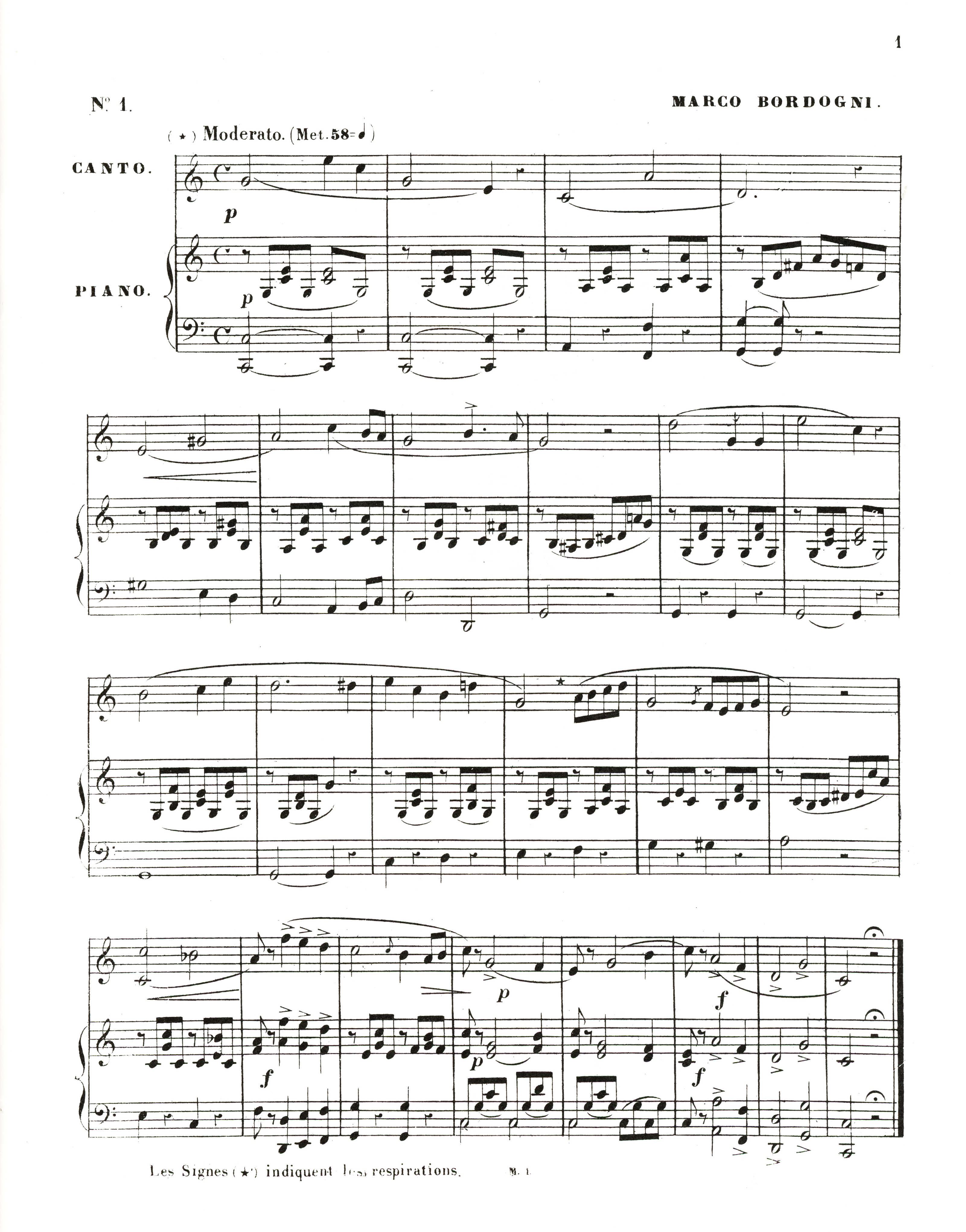
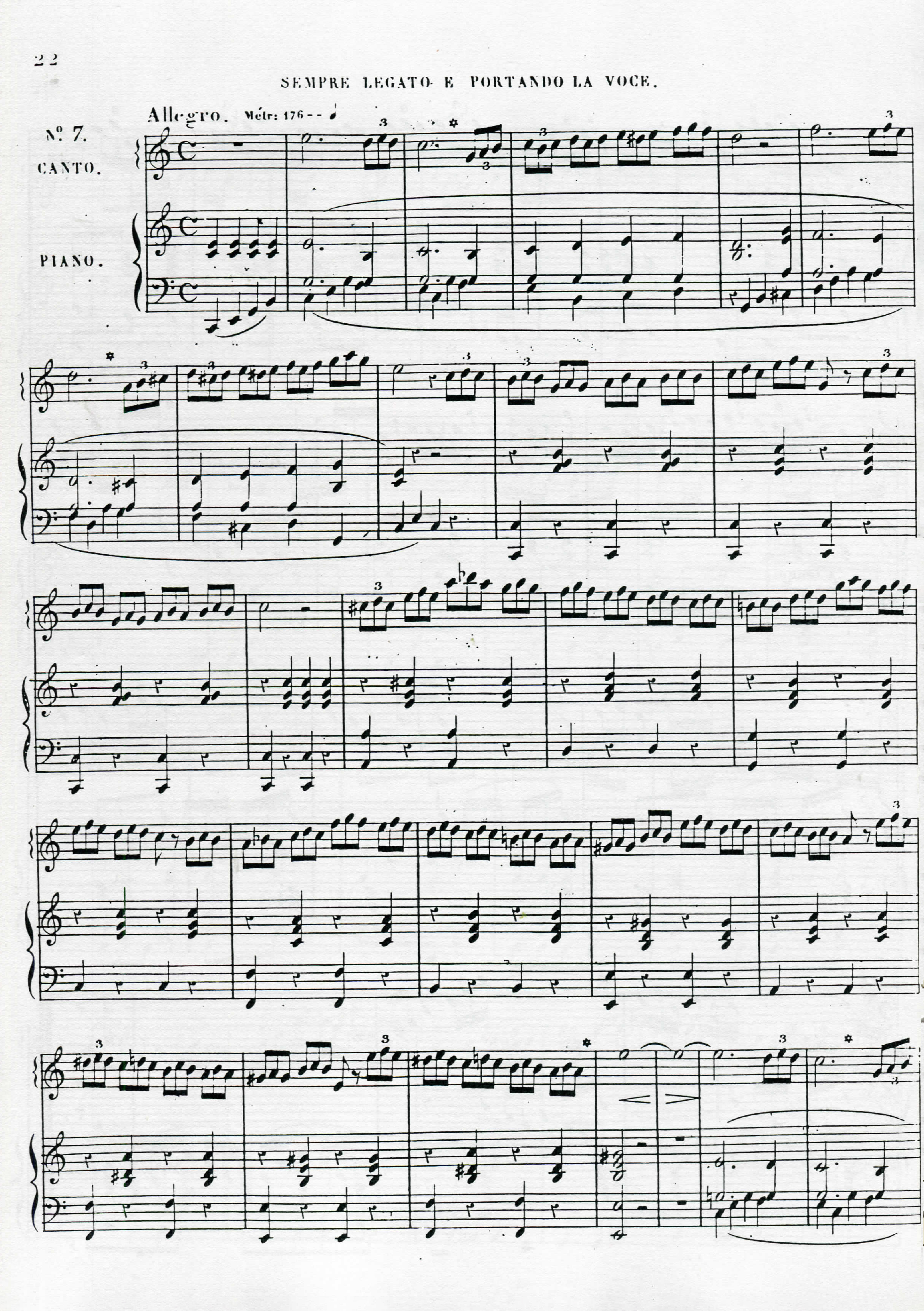
But wait, there’s more! What are the two etudes by Bordogni that Rochut left out of his book? Several  editors of editions of Bordogni vocalises for brass instruments have figured out what should be in place of etude No. 1 in Rochut’s book. Etude 1 from Bordogni’s publication, 24 Vocalises (Livre 11) is missing from Rochut’s book. Here is Bordogni’s etude; click HERE to download a PDF of this etude:

50.ROCHUT_Bordogni_livre_11_no_1

Etude 1 from Marco Bordogni, 24 Vocalises (Livre 11).

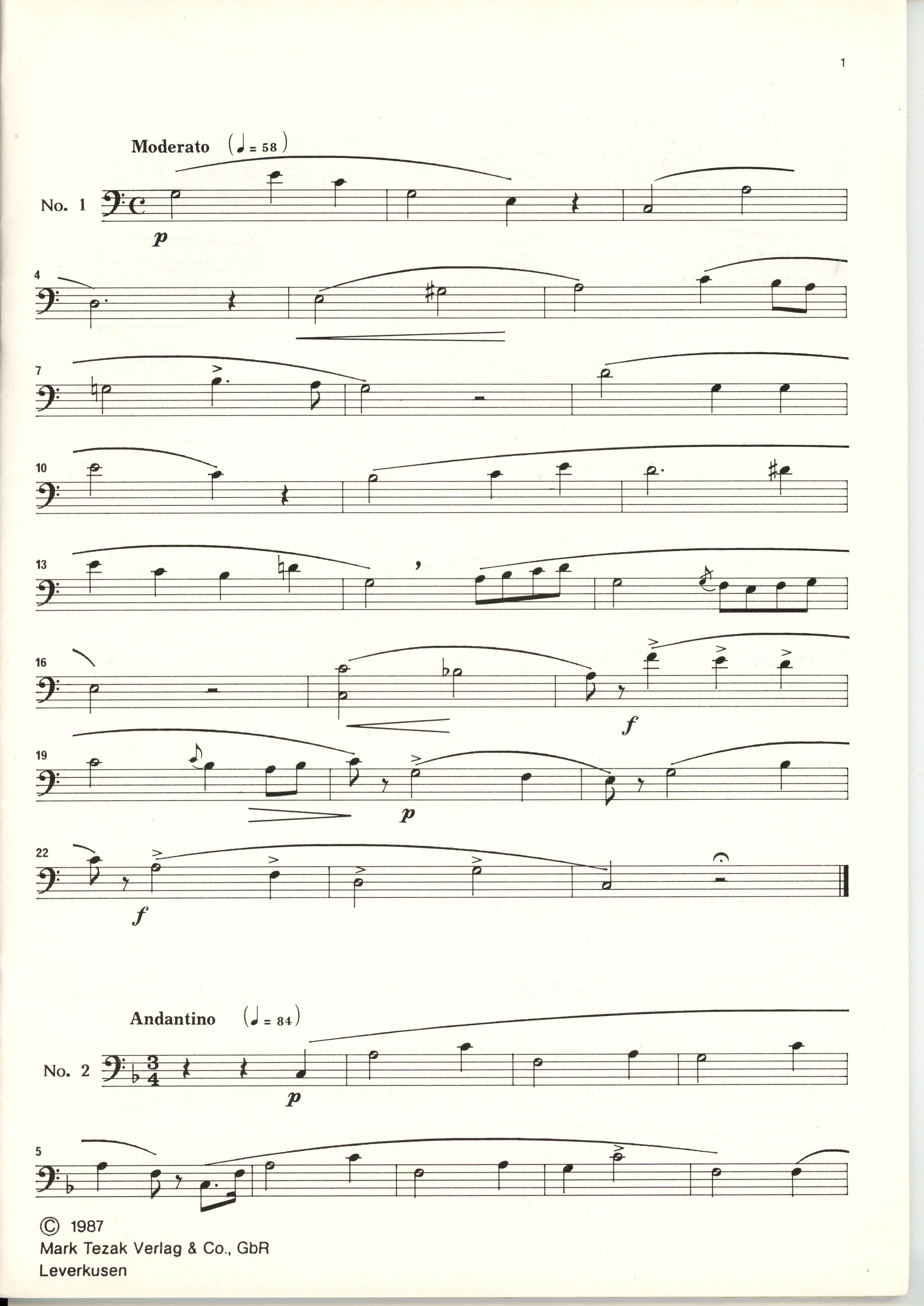
Benny Sluchin got this right back in 1987 when he published his first volume of what was planned to be an edition of the complete Bordogni for trombone (the publisher, Tezak, ultimately did not follow through and publish the complete series of etudes):

Sluchin_Bordogni_cover Sluchin_Bordogni_1

Etude 1 from Benny Sluchin, Giulio Marco Bordogni (1788-1856): The Complete Book of Vocalises, Vol. 1 (Leverkusen: Mark Tezak Verlag, 1987).

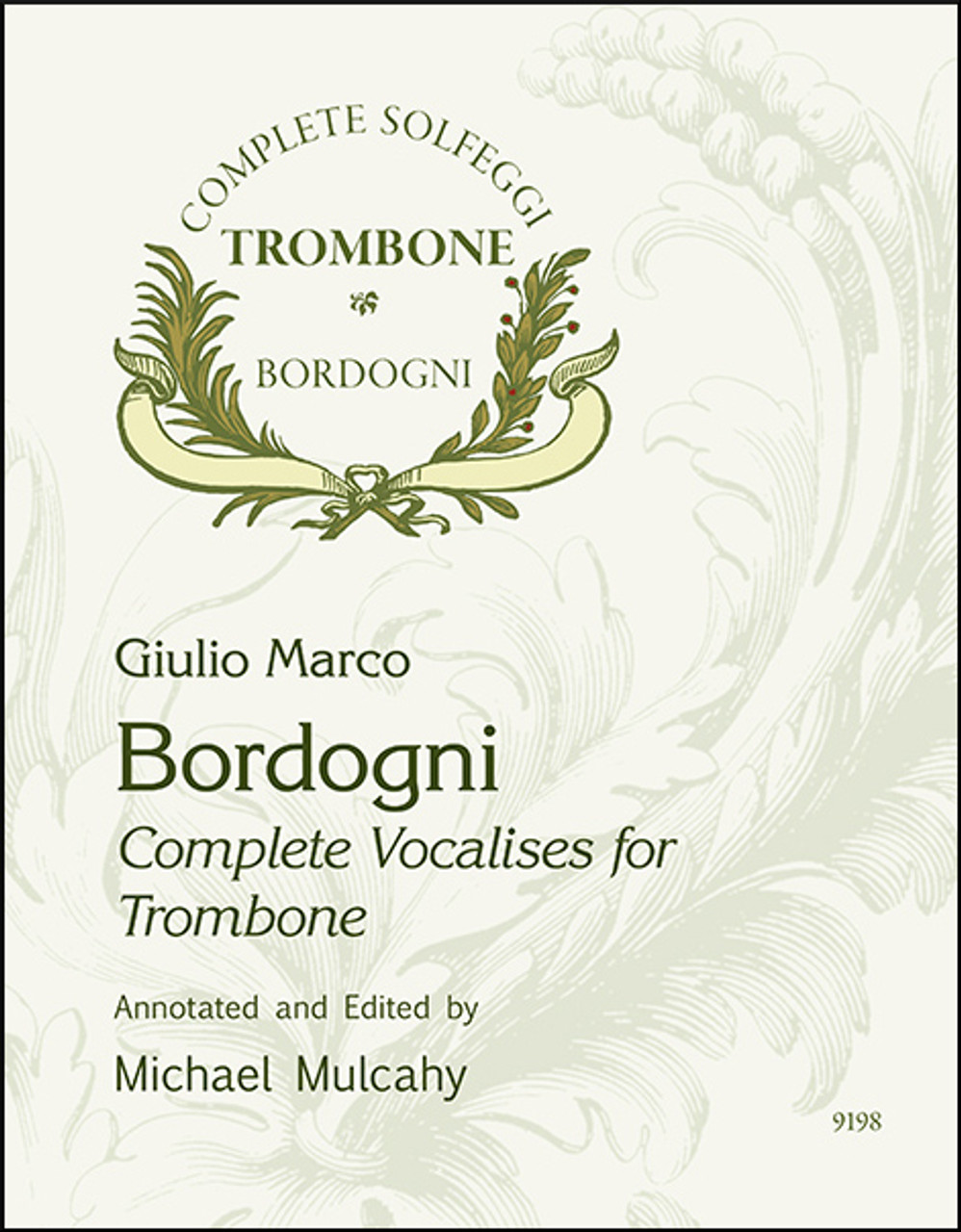
You will also find this etude correctly included in Michael Mulcahy’s book, Giulio Marco Bordogni: Complete Vocalises for Trombone (Encore Music Publishers, 2008):

  Bordogni_Mulcahy_cover  Bordogni_Mulcahy_1

Etude 1 from Marco Bordogni, ed. Michael Mulcahy, Giulio Marco Bordogni: Complete Vocalises for Trombone (Encore Music Publishers, 2008).

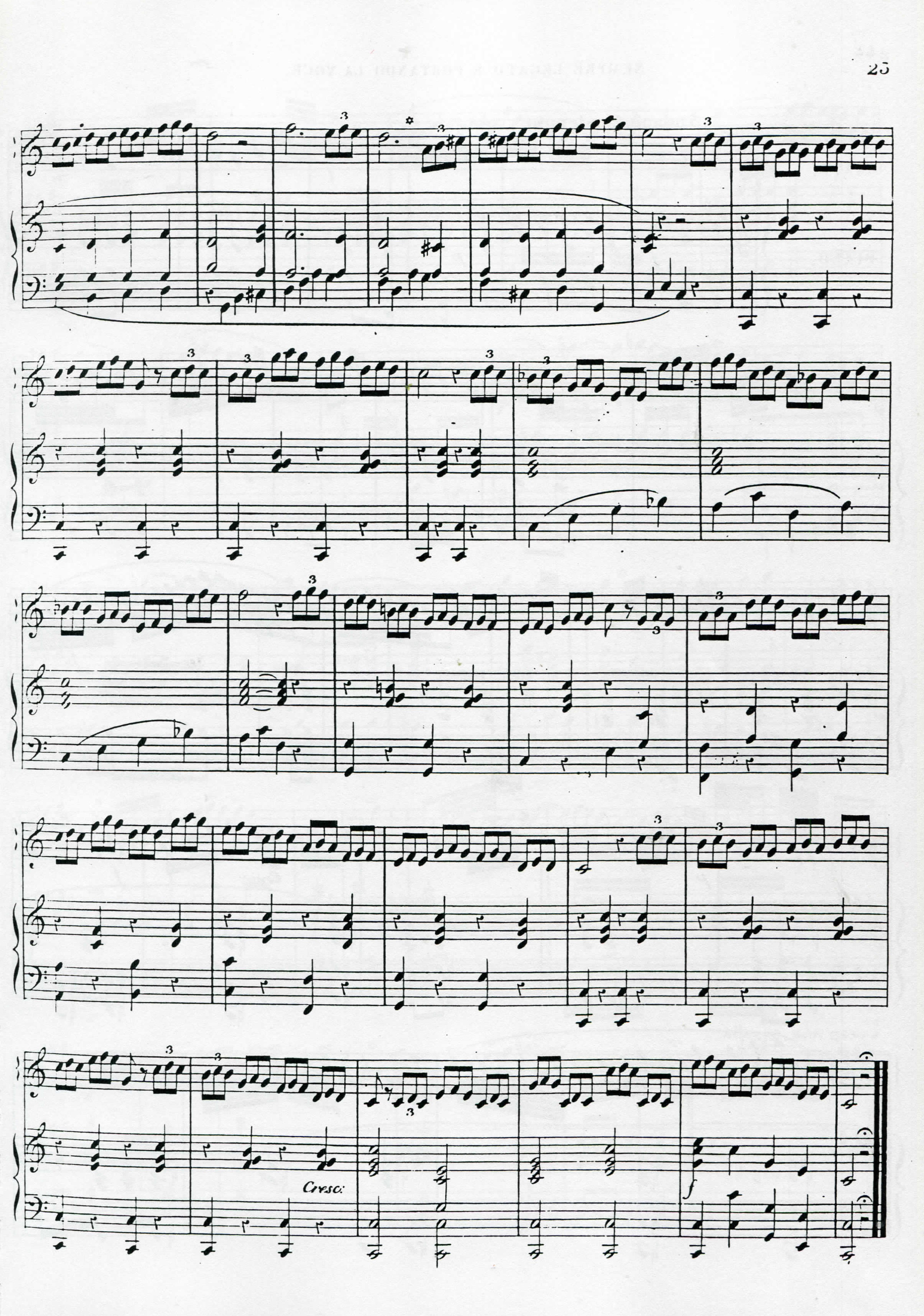
As for No. 73 in Rochut’s book (and Michael Mulcahy’s book), here is the missing Bordogni etude that should be there. It is etude 7 from Bordogni’s 36 Vocalises (Livre 1); click HERE to download a PDF of this etude:

51.ROCHUT_Bordogni_livre_1_no_7_p1 52.ROCHUT_Bordogni_livre_1_no_7_p2

Etude 7 from Marco Bordogni, 36 Vocalises (Livre 1).

Print out these two etudes by Bordogni and slip them in your copy of Rochut’s book and you will then have “the complete Bordogni.” That said, the two etudes by Allard and Couillaud that Rochut included in his books are superb. We just don’t know why Rochut included them. Happily, we now we have something more to practice.

[Photo at the top of this article: Joannès Rochut (standing) with his Lefevre trombone, and Georg Wendler (seated, horn), 1926. Detail from a photo of the Boston Symphony Orchestra brass section, 1925, courtesy of the Boston Symphony Orchestra Archives.]