

by Douglas Yeo (August 2, 2018; revised November 13, 2024)
The name Joannès Rochut has been known to generations of trombone players around the world, thanks, in large part, to the three volumes of Vocalises of Marco Bordogni that he arranged for trombone. Published as Melodious Etudes for Trombone Selected from the Vocalises of Marco Bordogni, Rochut’s books were published in 1928 by Carl Fischer of New York City. The date is significant: it was during Rochut’s tenure as principal trombonist of the Boston Symphony Orchestra from 1925-1930 that he published the books that made his name so famous to trombone players. Most players today are unaware that Rochut played in the Boston Symphony, and his tenure in Boston is part of a major article about Rochut I have written that will appear in the January 2025 issue of the International Trombone Association Journal.
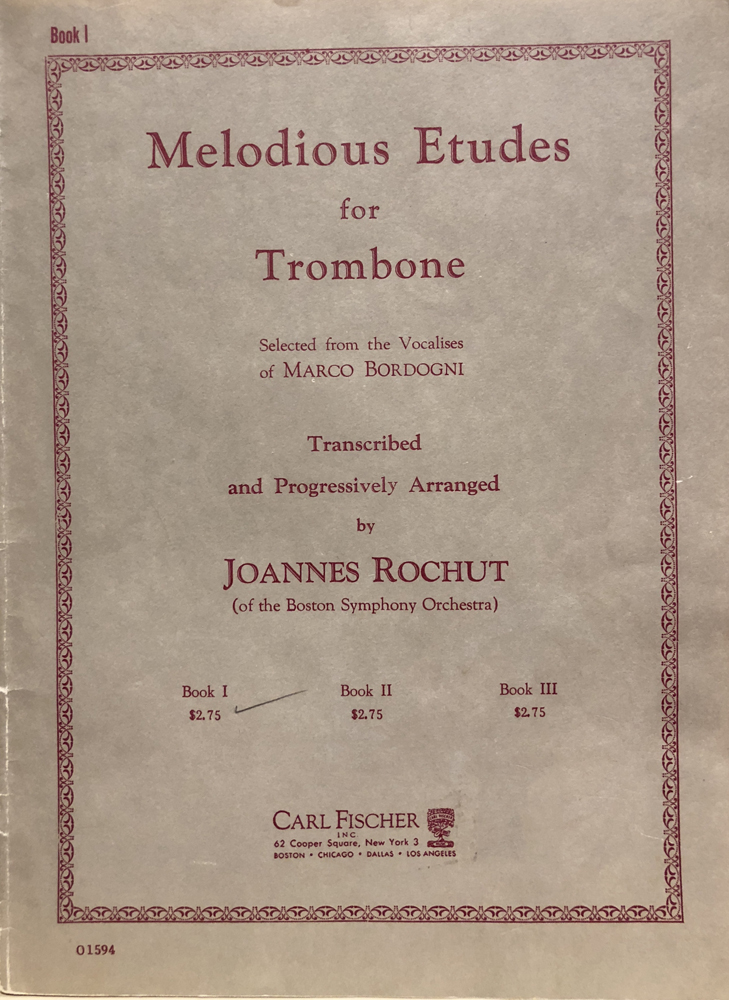
Cover to the first edition of Volume 1 of Joannès Rochut, Melodious Etudes for Trombone, Selected from the Vocalises of Marco Bordogni (New York: Carl Fischer, 1928).
But if most players today are unaware of Rochut’s connection with Boston, those who first bought his Melodious Etudes certainly knew about it, since his affiliation with the orchestra was printed on the cover of the Melodious Etudes. See the photo above of the cover of my first edition copy of Book I.
There is something about Rochut’s books that has puzzled many trombone players and scholars. Rochut transcribed and arranged 120 of Bordogni’s Vocalises. 118 of them have been identified in Bordogni’s works. But No. 1 of Rochut’s Book I and No. 73 in Book 2 have not been found in Bordogni’s oeuvre. So, who wrote these etudes?
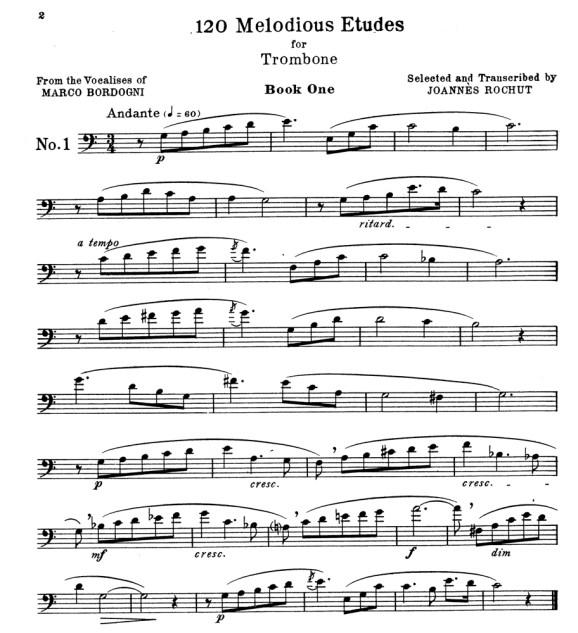
Volume 1, etude 1 from Joannès Rochut, Melodious Etudes for Trombone, Selected from the Vocalises of Marco Bordogni (New York: Carl Fischer, 1928).
Some people have assumed that Rochut composed these etudes. No. 1 happens to be one of my favorite exercises in Book I and I, too, have puzzled over this, wondering who wrote it. [As an aside, note that Rochut’s first name is spelled “Joannès.” Unfortunately, Carl Fischer’s new edition of “the Rochut book” does not spell his name correctly, but that is a story for another time. . .]
A few months ago, the mystery solved itself. A needle in a haystack surfaced as I was doing research for one of the books I’m writing at this time. I had some correspondence with Gary Spolding about his planned edition of Bordogni for trumpet and we discussed “Rochut No. 1.” As a result of our conversation, I located a copy of 26 Etudes Techniques d’apres Bordogni by Louis Allard and Henri Couillaud.

The cover of Louis Allard and Henri Couillaud, 26 Etudes Techniques d’apres Bordogni (Paris: Buffet-Crampon, 1927).
Published in Paris in 1927 – a year before Rochut’s Melodious Etudes – Allard and Couillaud’s book contains original exercises in the style of Bordogni. And on page 12, exercise 11 is found:
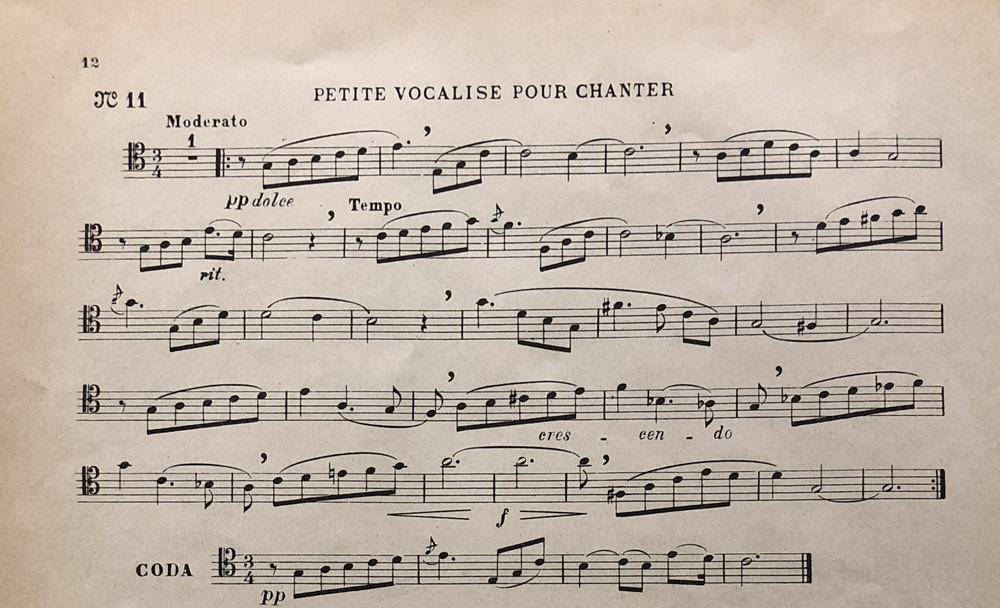
Exercise 11 from Louis Allard and Henri Couillaud,26 Etudes Techniques d’apres Bordogni (Paris: Buffet-Crampon, 1927).
What is this? It is none other than “Rochut No. 1.” Except it’s not. It’s Allard and Couillaud’s No. 11. Allard and Couillaud were the chickens; Rochut was the egg.
Louis Allard and Henri Couillaud were trombone professors at the Paris Conservatoire; Allard from 1888-1925 and Couillaud from 1925-1948. Rochut studied with Allard at the Conservatoire; in fact, Rochut won the first prize in trombone there in 1905, playing Sigismond Stojowski’s Fantasie.
We find a similar situation with Rochut’s No. 73. It wasn’t written by Bordogni. It was also written by Allard and Couillaud, and it’s found in the same book. Here’s Rochut’s No. 73:
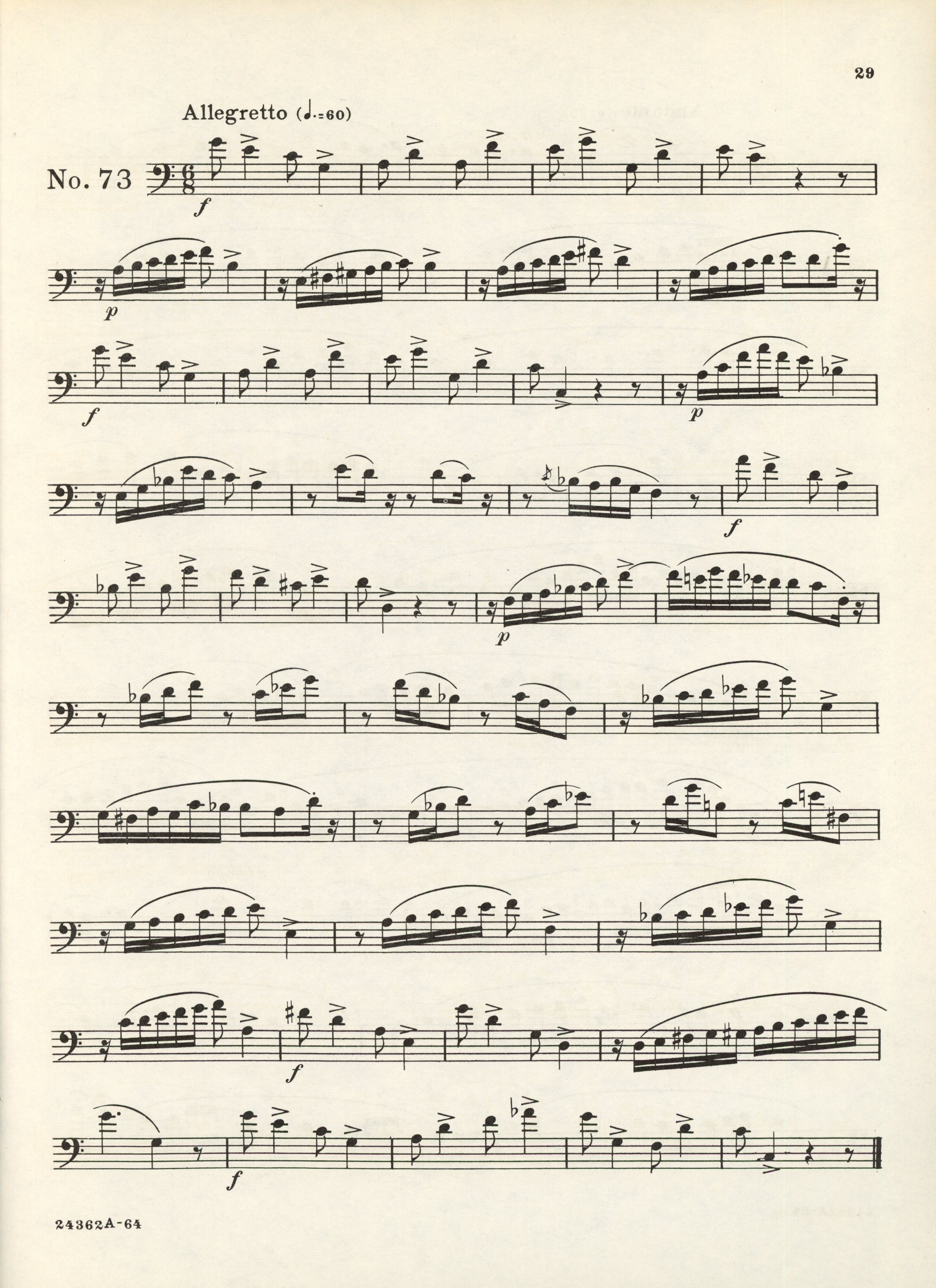
Volume 2, etude 73 from Joannès Rochut, Melodious Etudes for Trombone, Selected from the Vocalises of Marco Bordogni (New York: Carl Fischer, 1928).
And here’s what Allard and Couillaud wrote a year before Rochut published his book of Bordogni etudes:
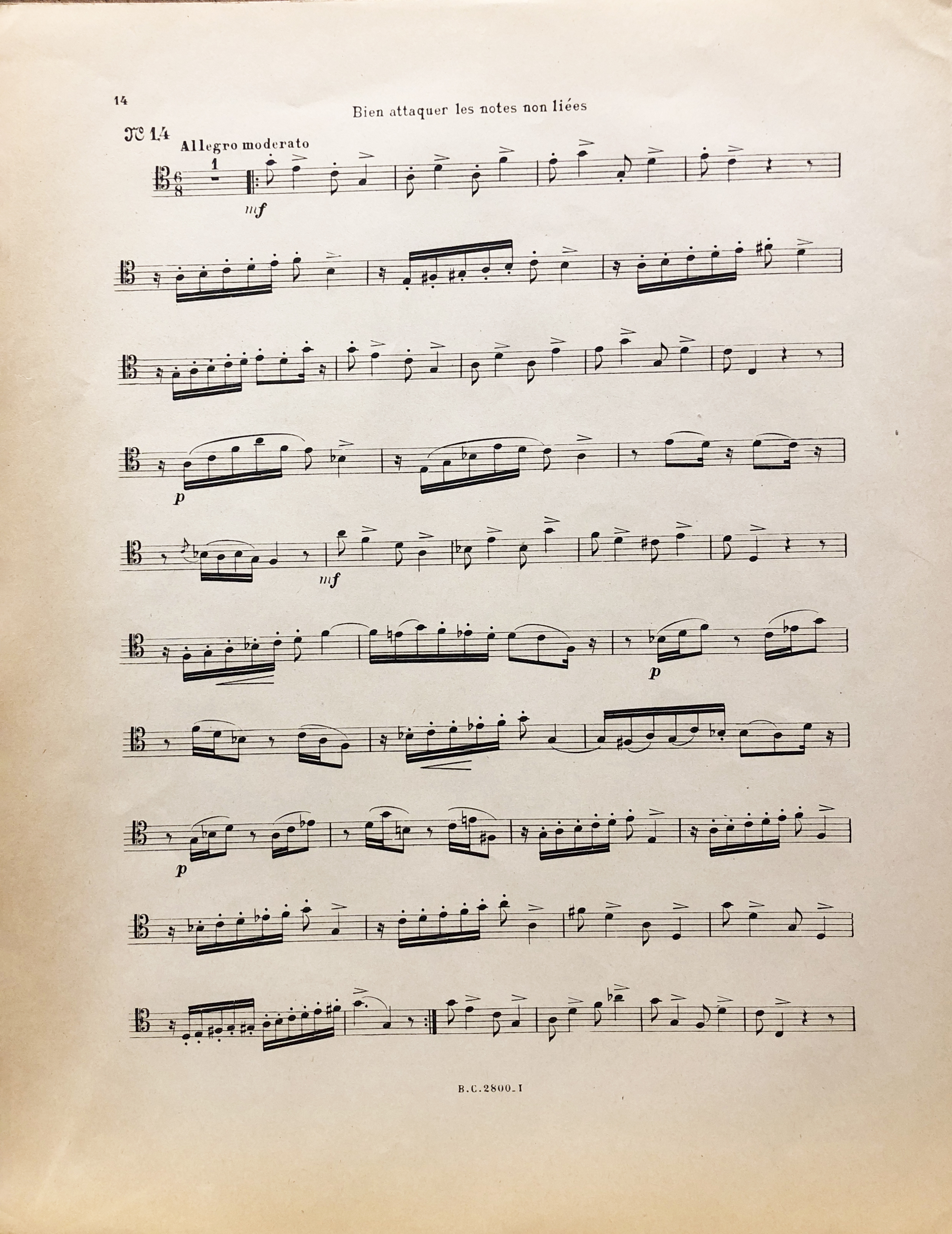
Etude 14 from Louis Allard and Henri Couillaud, 26 Etudes Techniques d’apres Bordogni (Paris: Buffet-Crampon, 1927)
So here we have a situation. Rochut’s Nos. 1 and 73 were published in 1928. Allard and Couillaud’s Nos. 11 and 14 were published in 1927. Clearly authorship of the etudes points to Allard and Couillaud (1927), not Rochut (1928). And certainly they were not written by Bordogni. Which begs the question: why did Rochut include these etudes by Allard and Couillaud in his books when they had been published in another book (in France) the year before? Was he paying tribute to his teacher? If so, why did he not credit Allard and Couillaud as the composers? Did Rochut (and Carl Fischer) pay royalties to Allard and Couillaud (the Carl Fischer edition gives no credit to another publisher for their printing of No. 1 and No. 73)? Or did Rochut assume the etudes were by Bordogni; perhaps he just missed the “après” in Allard and Couillaud’s book title? [Après means “after,” as in “after Bordogni,” or “in the style of Bordogni.”] Why did Rochut omit two of Bordogni’s etudes? What was the response of Allard and Couillaud (and their publisher) when they saw their etudes reprinted in Rochut’s book. Allard and Couillaud’s book is forgotten; Rochut’s book continues to be one of the best selling trombone books—if not THE best selling trombone books—of all time.
Spend a few minutes with Allard and Couillaud’s printing of their etudes, above; there are some significant differences between them in their book and the way they were reprinted in Rochut’s book (including tempo, dynamic, a different note, and phrasing, as well as the repeat).
Now, the hunt is on to find Allard and Couillaud’s original piano accompaniment to their etudes in the style of Bordogni. Another haystack; another needle to be found.
But wait, there’s more! What are the two etudes by Bordogni that Rochut left out of his book? Several editors of editions of Bordogni vocalises for brass instruments have figured out what should be in place of etude No. 1 in Rochut’s book. Etude 1 from Bordogni’s publication, 24 Vocalises (Livre 11) is missing from Rochut’s book. Here is Bordogni’s etude; click HERE to download a PDF of this etude:
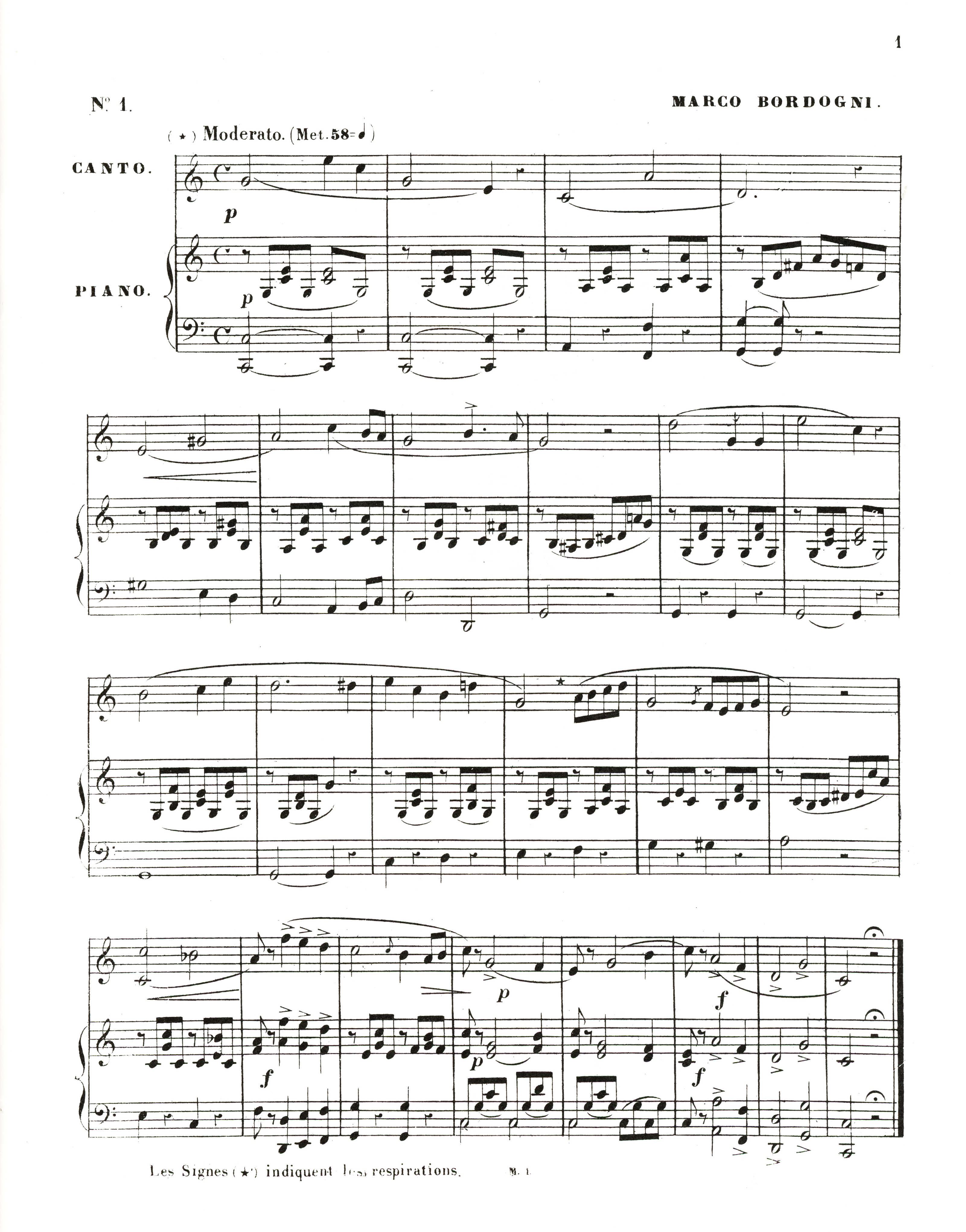
Etude 1 from Marco Bordogni, 24 Vocalises (Livre 11).
Benny Sluchin got this right back in 1987 when he published his first volume of what was planned to be an edition of the complete Bordogni for trombone (the publisher, Tezak, ultimately did not follow through and publish the complete series of etudes):

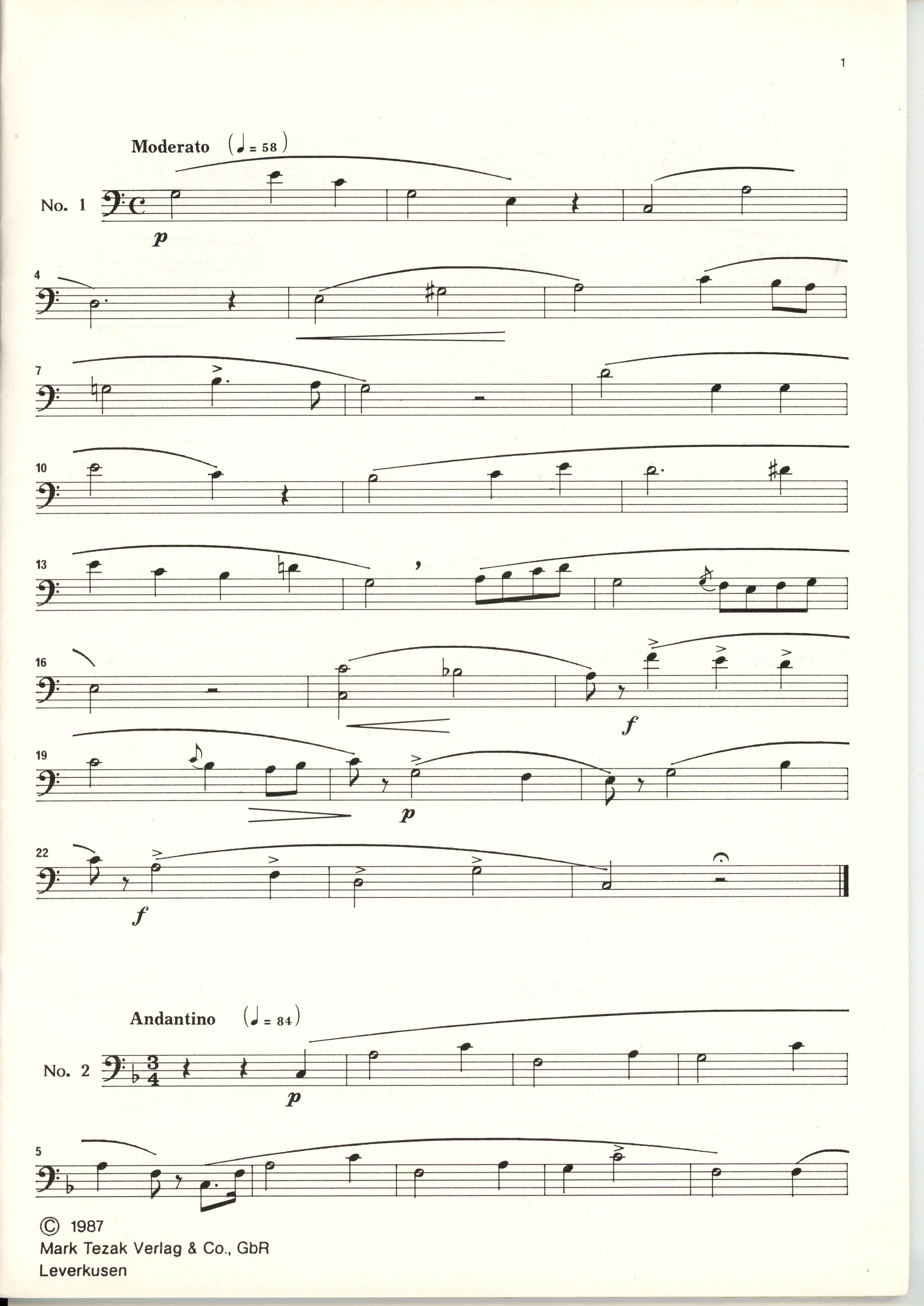
Etude 1 from Benny Sluchin, Giulio Marco Bordogni (1788-1856): The Complete Book of Vocalises, Vol. 1 (Leverkusen: Mark Tezak Verlag, 1987).
You will also find this etude correctly included in Michael Mulcahy’s book, Giulio Marco Bordogni: Complete Vocalises for Trombone (Encore Music Publishers, 2008):

Etude 1 from Marco Bordogni, ed. Michael Mulcahy, Giulio Marco Bordogni: Complete Vocalises for Trombone (Encore Music Publishers, 2008).
As for No. 73 in Rochut’s book (and Michael Mulcahy’s book), here is the missing Bordogni etude that should be there. It is etude 7 from Bordogni’s 36 Vocalises (Livre 1); click HERE to download a PDF of this etude:
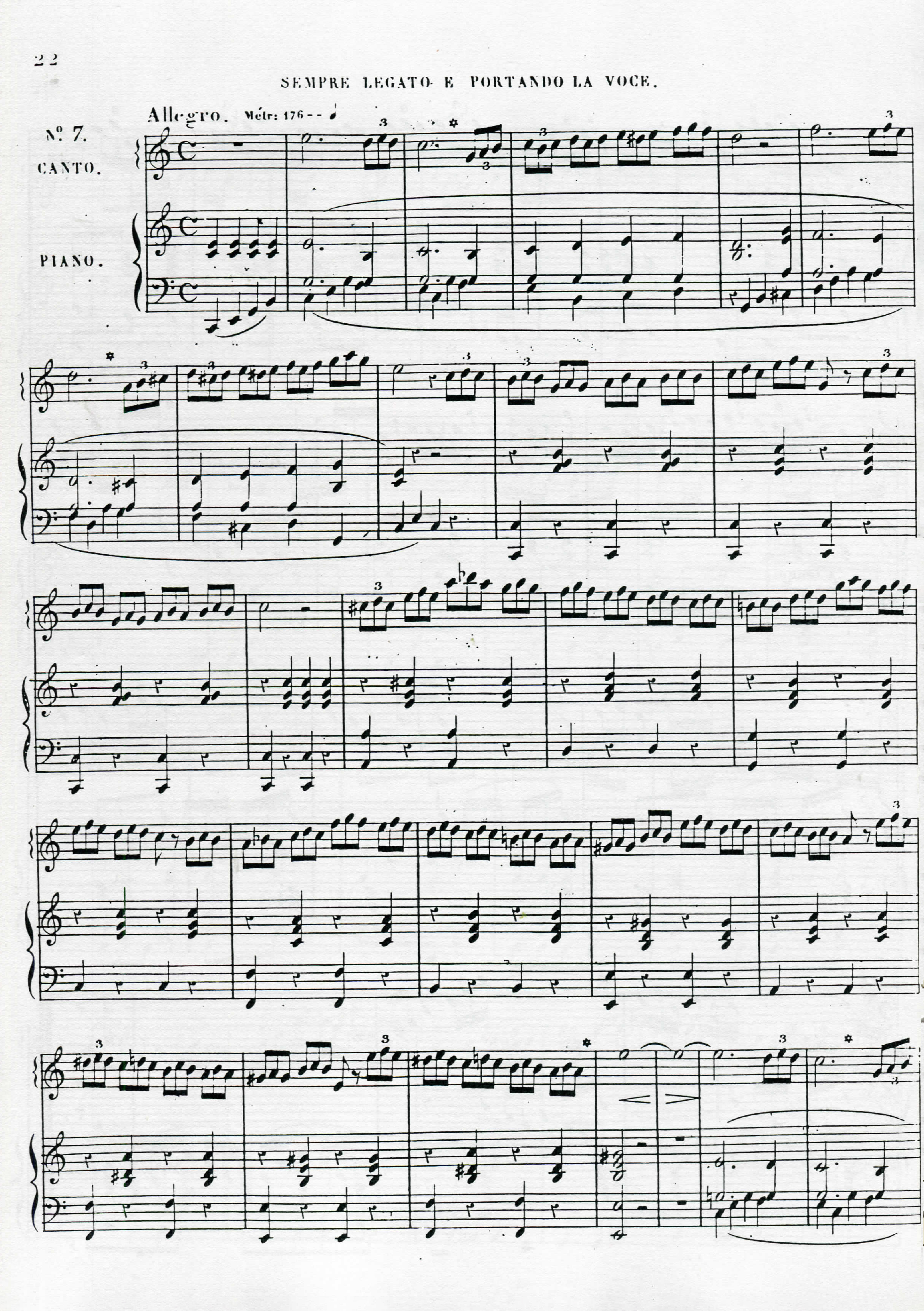
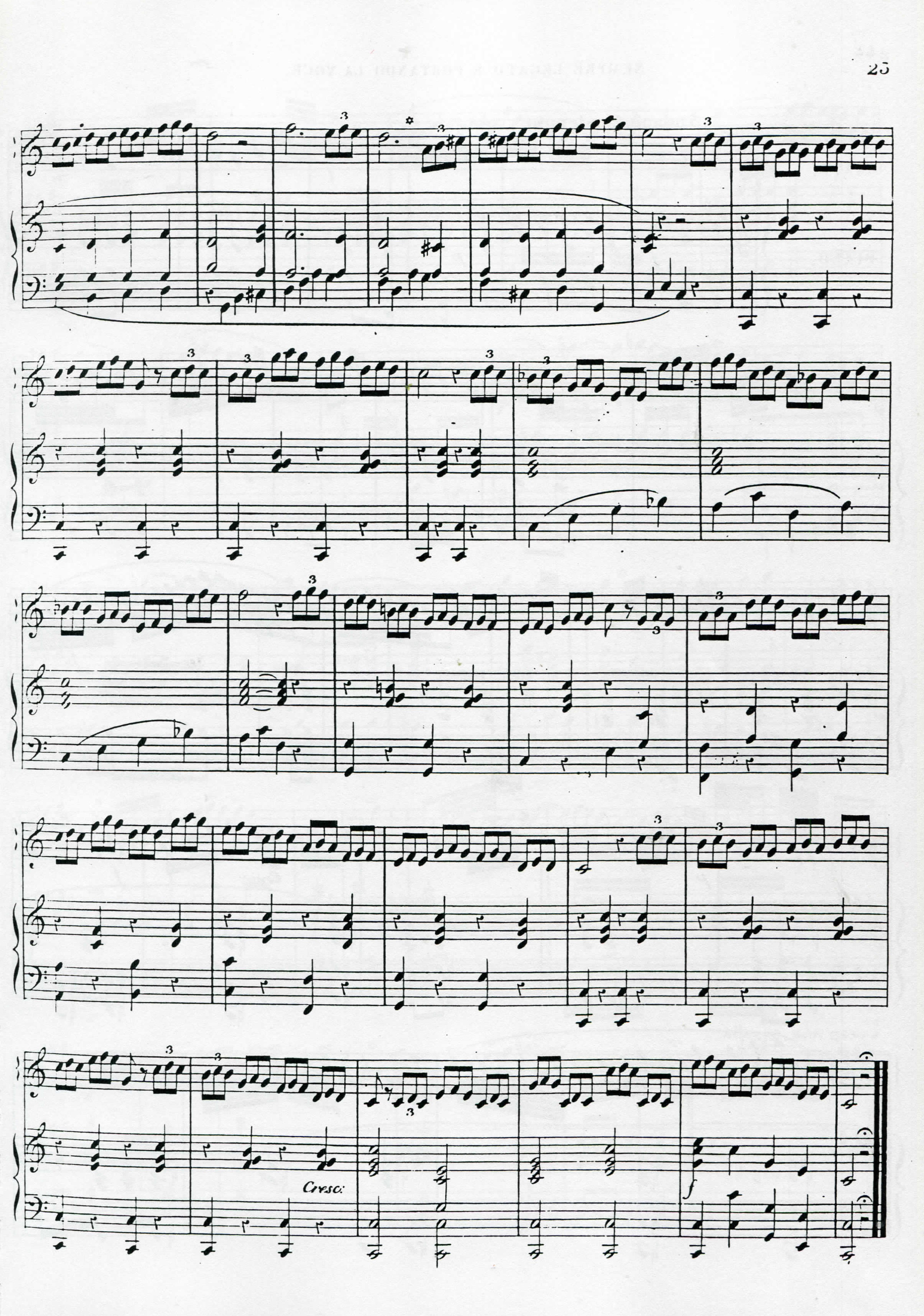
Etude 7 from Marco Bordogni, 36 Vocalises (Livre 1).
Print out these two etudes by Bordogni and slip them in your copy of Rochut’s book and you will then have “the complete Bordogni.” That said, the two etudes by Allard and Couillaud that Rochut included in his books are superb. We just don’t know why Rochut included them. Happily, we now we have something more to practice.
[Photo at the top of this article: Joannès Rochut (standing) with his Lefevre trombone, and Georg Wendler (seated, horn), 1926. Detail from a photo of the Boston Symphony Orchestra brass section, 1925, courtesy of the Boston Symphony Orchestra Archives.]
 The Last Trombone – Douglas Yeo